Remove a Toilet Bowl Ring Without Scratching: 5 Steps
Get rid of the hard-water ring in a toilet bowl with vinegar, citric acid or a wet pumice stone, plus the toilet cleaner combinations you must never mix.
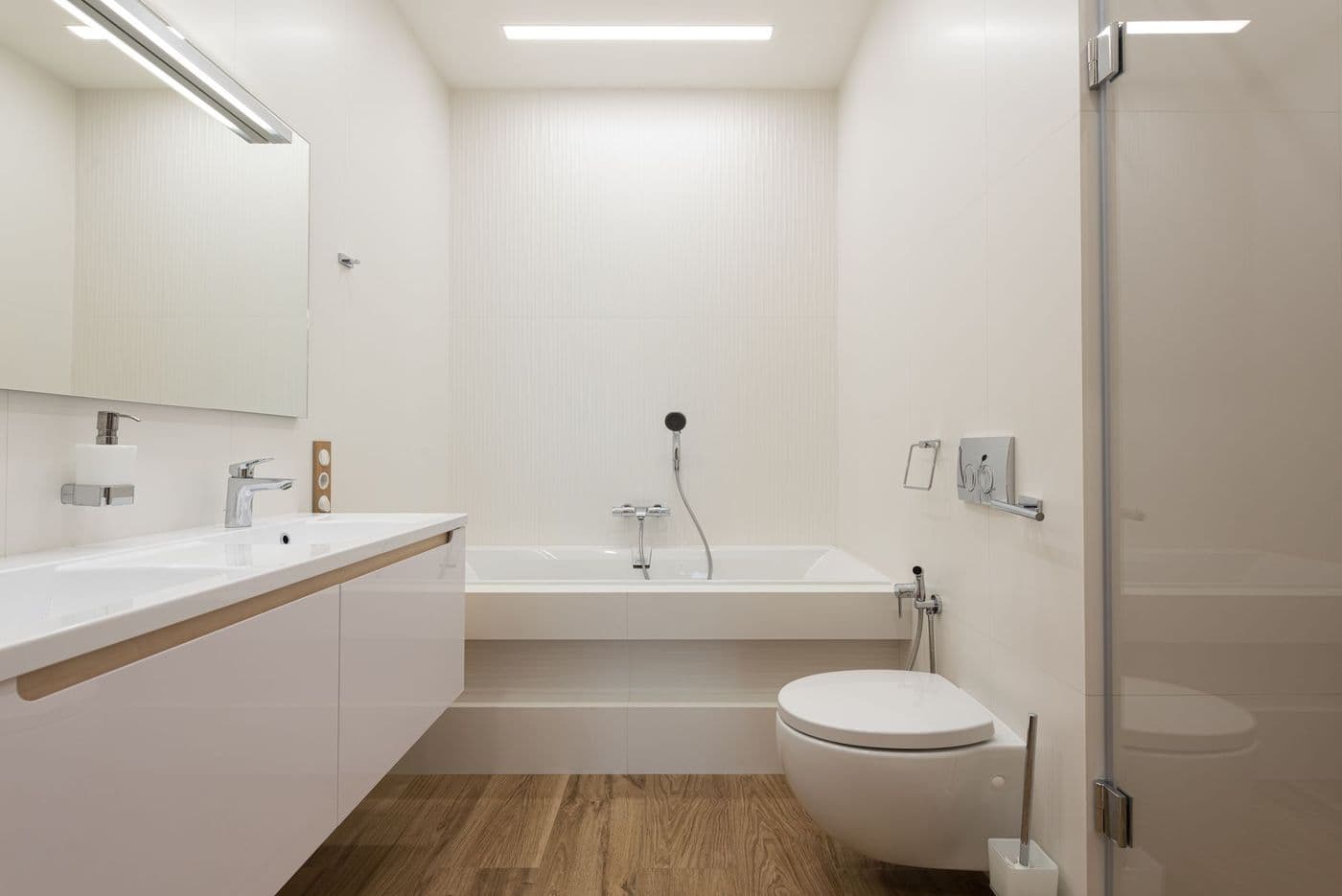
Lower the water level so the ring is exposed, then pour undiluted white vinegar over it, or apply a paste of citric acid and water, and leave it for at least an hour or overnight. Scrub with a toilet brush, then flush. For rings that remain, gently rub the wet stain with a wet pumice stone on vitreous china only, keeping both surfaces wet to avoid scratching.
That gray, brown or orange ring at the water line of a toilet is usually mineral deposits from hard water, sometimes stained by iron or bacteria. Regular toilet cleaner often struggles with it because the ring has built up over months.
Mineral deposits dissolve in mild acids, so vinegar and citric acid are the main tools here. The trick is contact time: the acid needs to sit on the stain, which means getting the water out of the way first.
Step 1: Lower the water level
Turn off the water supply valve behind the toilet, usually by turning it clockwise, then flush. The tank will not refill, and the bowl water will drop below the ring.
If the ring sits low in the bowl, push the remaining water down the drain with a toilet plunger or scoop it out with a disposable cup into a bucket. You want the stain dry or nearly dry so the cleaner is not diluted.
Tip: Wear rubber gloves throughout, and open a window or run the fan.
Step 2: Choose your descaler
Any of these works on mineral rings. Use one at a time.
- White vinegar: pour it undiluted around the ring, or soak paper towels in vinegar and press them onto the stain so they cling.
- Baking soda and vinegar: sprinkle ½ cup of baking soda around the ring, then pour in 1 cup of vinegar. The fizzing helps loosen loose grime, though the acid is what tackles the minerals.
- Citric acid: mix 2–3 tablespoons of citric acid powder with a little water into a paste and spread it on the ring.
- A commercial limescale remover for toilets: follow the label exactly.
Step 3: Give it time
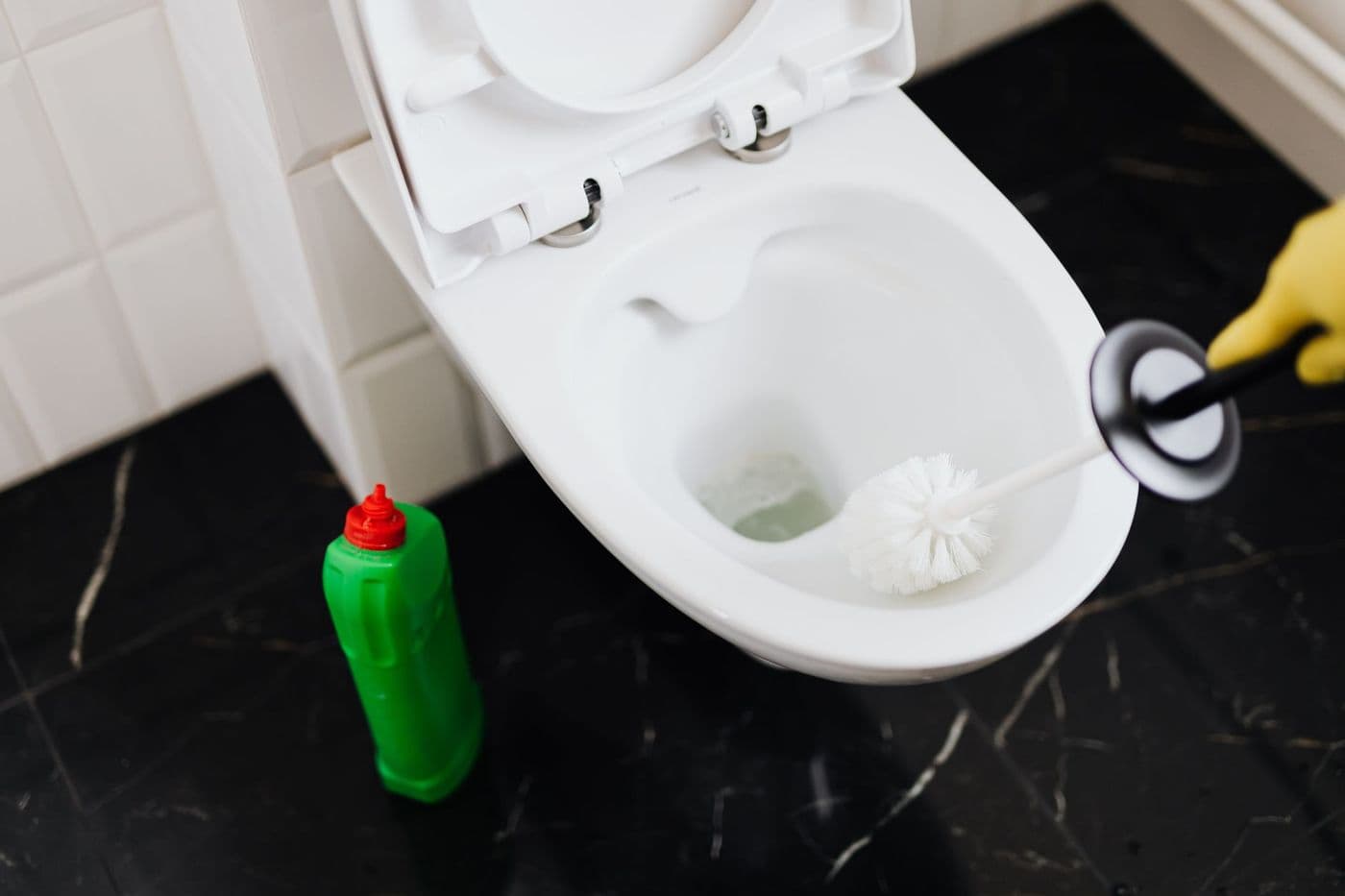
Leave the acid on the ring for at least an hour. For thick, old rings, overnight is better. If you are using vinegar-soaked paper towels, check that they stay damp and reapply vinegar if they dry out.
Patience matters more than scrubbing force. Mineral deposits dissolve slowly, and a long soak does more than hard work with a brush.
Step 4: Scrub, restore the water and flush
Scrub the ring firmly with a toilet brush. Remove any paper towels and throw them in the trash, not down the toilet. Turn the water supply back on, let the tank refill and flush a couple of times.
If the ring is lighter but still visible, repeat the soak. Several rounds are often needed for rings that have been there for a long time.
Step 5: Pumice stone for stubborn rings
A pumice stone made for toilets can remove what acids leave behind on standard vitreous china bowls. Wet the stone thoroughly and keep the stain wet, then rub with light pressure. A dry stone, or a dry surface, can scratch.
Do not use pumice on colored, matte-finish or specially coated bowls, plastic, or any surface the manufacturer says to avoid. Stop and check your progress often.
Safety: products you must never mix
Toilet cleaning is where many dangerous combinations happen, because people use several products in the same small space.
Never mix chlorine bleach with vinegar, citric acid or acidic toilet bowl cleaners; together they release chlorine gas. Never mix bleach with ammonia-based cleaners, which release chloramine vapors. If you have used one product, flush several times and wait before trying another.
Keep cleaning products in their original, labeled containers and out of reach of children and pets.
How to stop the ring coming back
Rings form when minerals are left to dry and build up at the water line.
- Brush the bowl quickly two or three times a week, paying attention to the water line.
- Pour a cup of vinegar into the bowl once a week and let it sit for an hour before brushing and flushing.
- Flush guest or rarely used toilets every few days so the water does not stagnate.
- If hard water is a constant problem throughout the house, a water softener may be worth discussing with a plumber.
Frequently asked questions
What causes a ring in the toilet bowl?
Most rings are mineral deposits from hard water, built up where the water level sits. Iron in the water can make them orange or brown, and bacteria can also cause pink or dark stains.
Will a pumice stone scratch my toilet?
On standard white vitreous china, a wet pumice stone used gently on a wet surface generally removes deposits without scratching. Do not use it dry, or on colored, coated or plastic surfaces.
Can I use Coca-Cola to clean a toilet ring?
Cola is mildly acidic and may lighten very light stains, but vinegar or citric acid are stronger, cheaper and do not leave a sticky residue.
Is it safe to leave vinegar in the toilet overnight?
Yes, white vinegar left in a standard porcelain toilet bowl overnight is a common method. Just make sure no other cleaner, especially bleach, is in the bowl at the same time.
Advertisement
General information only. Check product labels and manufacturer instructions before you start.
Keep reading

Clean a Bathroom Exhaust Fan Safely in 20 Minutes
Clean a dusty, noisy bathroom exhaust fan step by step: cut the power, wash the cover, vacuum the blades and housing, then test the airflow with one sheet.
Clean a Shower Head With Vinegar: No Tools, 6 Steps
Unclog a shower head and restore water pressure with a simple vinegar bag soak, plus how to clear blocked nozzles and protect brass or matte black finish.

Remove Black Mold From Shower Caulk: Poultice Method
Lift black mold from silicone caulk around a tub or shower with a bleach poultice, learn when caulk must be replaced, and stop the mold coming back.