Clean a Shower Head With Vinegar: No Tools, 6 Steps
Unclog a shower head and restore water pressure with a simple vinegar bag soak, plus how to clear blocked nozzles and protect brass or matte black finish.
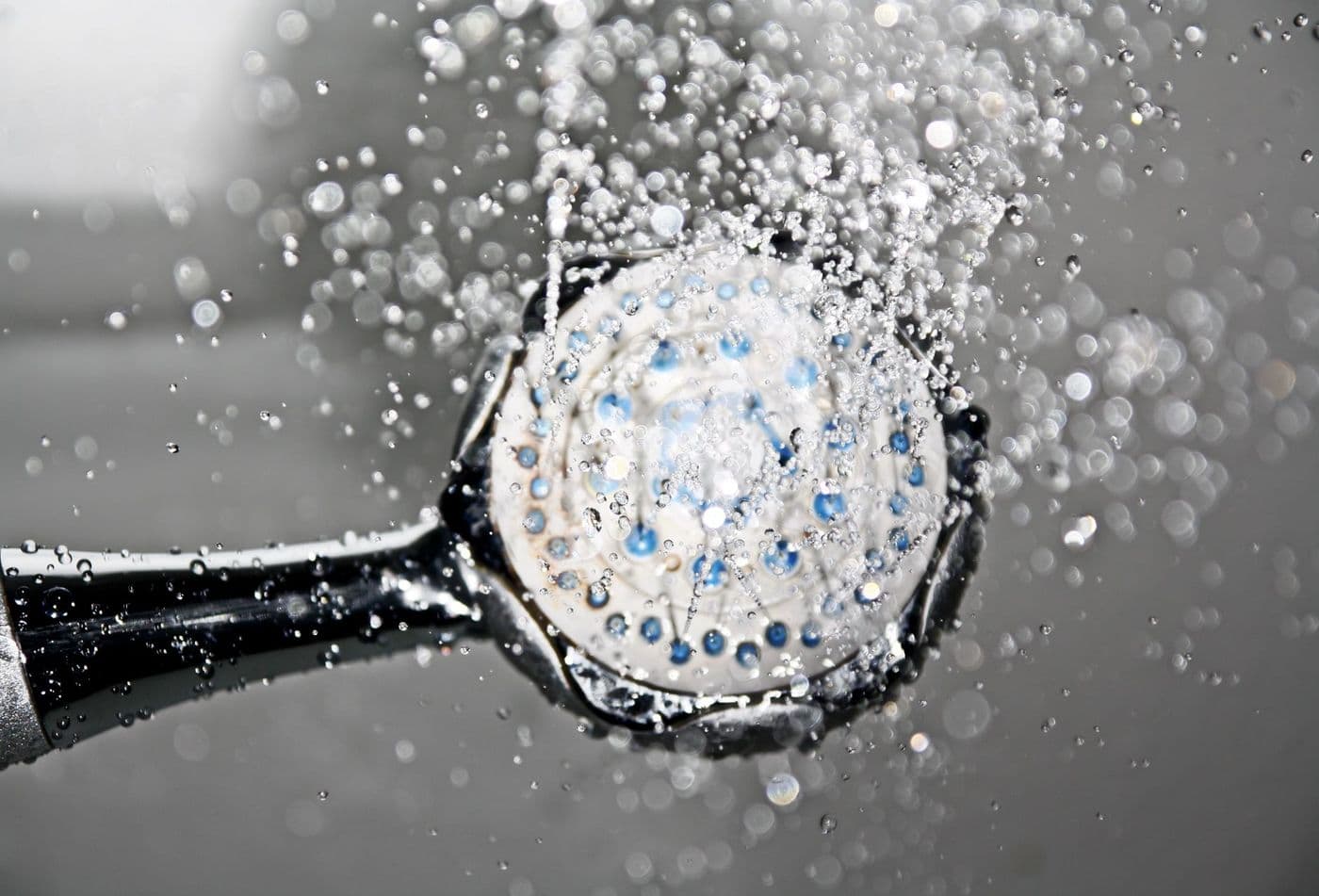
Fill a plastic bag about halfway with white vinegar, slip it over the shower head so the nozzles are submerged, and secure it with a rubber band or zip tie. Leave it for 1–2 hours (up to overnight for chrome heads with heavy scale), then remove the bag, rub the nozzles with an old toothbrush and run hot water for a minute to flush out loosened deposits.
If your shower sprays in odd directions or the pressure has dropped, the nozzles are probably clogged with limescale. Hard water leaves minerals behind every time the head drips dry, and over months they narrow or block the tiny holes.
Vinegar is a mild acid that dissolves these mineral deposits. The bag method lets you soak the head without unscrewing anything, which makes it the easiest descaling job in the bathroom.
Check your shower head's finish first
Standard chrome and plastic shower heads tolerate a vinegar soak well. Brass, gold-tone, nickel, oil-rubbed bronze and matte black finishes can be damaged or discolored by acid, so limit the soak to about 30 minutes or follow the manufacturer's care instructions.
Many modern heads have flexible rubber nozzles. These can often be cleared just by rubbing them with your thumb while the water runs, which is worth trying before a soak.
Method 1: The vinegar bag soak
This works for fixed heads and saves you from fighting a stuck fitting.
- Pour white vinegar into a sturdy plastic food bag until it is about half full.
- Lift the bag up around the shower head so all the nozzles are submerged.
- Wrap a rubber band, hair tie or zip tie around the neck of the shower arm to hold the bag in place.
- Leave it for 1–2 hours. For heavy buildup on chrome, overnight is fine.
- Remove the bag, pour the vinegar down the drain and scrub the face with an old toothbrush.
- Turn the shower on hot for a minute to flush out loosened scale.
Tip: For extra strength on heavy scale, use undiluted vinegar. For light buildup or delicate finishes, a 50/50 mix of vinegar and water is enough.
Method 2: Remove and soak the head

If the head is very clogged, unscrew it from the shower arm by hand, or with an adjustable wrench wrapped in a cloth to protect the finish. Soak it in a bowl of vinegar for an hour or two, then scrub and rinse.
Check the small filter screen inside the connector, where debris often collects. Rinse it under running water and use a toothbrush or toothpick to clear it.
When you reattach the head, wrap the threads of the shower arm with a couple of turns of plumber's tape (PTFE tape) to prevent leaks, then hand-tighten.
Clearing individual nozzles
After soaking, check for nozzles that are still blocked. Rubber nozzles can usually be flexed clear with a fingertip. For hard plastic or metal holes, gently push a toothpick or a straightened paper clip into each one. Do not force anything sharp into soft rubber nozzles, which can tear.
Run the water again to flush out the debris. Repeat the soak if several nozzles remain blocked.
Handheld shower heads and hoses
Handheld heads are easier: unscrew the head from the hose and soak it in a bowl of vinegar. Hoses can collect scale and grime too; you can fill the hose with a vinegar and water mix, let it sit for an hour, then flush it.
Wipe the outside of the hose and the head holder with a damp cloth and a little dish soap, then rinse.
Safety and mistakes to avoid
The method is simple, but a few things are worth keeping in mind.
- Never add bleach to the vinegar or use it on the head straight after; bleach and acids release chlorine gas.
- Do not use abrasive scouring pads on the face of the shower head; they scratch plated finishes.
- Avoid leaving acid on natural stone shower surrounds; rinse drips away straight away.
- Do not overtighten the head when reinstalling, which can crack plastic fittings.
How often to clean your shower head
In hard-water areas, a vinegar soak every one to three months keeps pressure steady. In soft-water areas, a couple of times a year may be enough. A good sign it is time is when you see white crust around the nozzles or the spray becomes uneven.
Between soaks, wiping the face of the head with a cloth after showering and rubbing flexible nozzles occasionally helps slow buildup.
Frequently asked questions
How long should a shower head soak in vinegar?
One to two hours is usually enough. Chrome heads with heavy scale can soak overnight, while delicate finishes like brass or matte black should be limited to around 30 minutes or follow the manufacturer's advice.
Can I use baking soda with vinegar on a shower head?
You can add a tablespoon of baking soda for fizz, but the vinegar's acid is what dissolves limescale. Plain vinegar works just as well.
Why is my shower pressure still low after cleaning?
Check the filter screen in the connector, the flow restrictor and the hose. If those are clear, the issue may be with the valve or household water pressure, which a plumber can check.
Can I use citric acid instead of vinegar?
Yes. Dissolve 1–2 tablespoons of citric acid powder in about 2 cups of warm water and use it the same way. It has no strong smell.
Advertisement
General information only. Check product labels and manufacturer instructions before you start.
Keep reading

Clean a Bathroom Exhaust Fan Safely in 20 Minutes
Clean a dusty, noisy bathroom exhaust fan step by step: cut the power, wash the cover, vacuum the blades and housing, then test the airflow with one sheet.

Remove Black Mold From Shower Caulk: Poultice Method
Lift black mold from silicone caulk around a tub or shower with a bleach poultice, learn when caulk must be replaced, and stop the mold coming back.

Remove a Toilet Bowl Ring Without Scratching: 5 Steps
Get rid of the hard-water ring in a toilet bowl with vinegar, citric acid or a wet pumice stone, plus the toilet cleaner combinations you must never mix.