Descale a Kettle With Vinegar or Citric Acid: Exact Amounts
Remove white limescale from an electric kettle with vinegar or citric acid: exact amounts, soak times, how to rinse out the taste and how often to repeat.
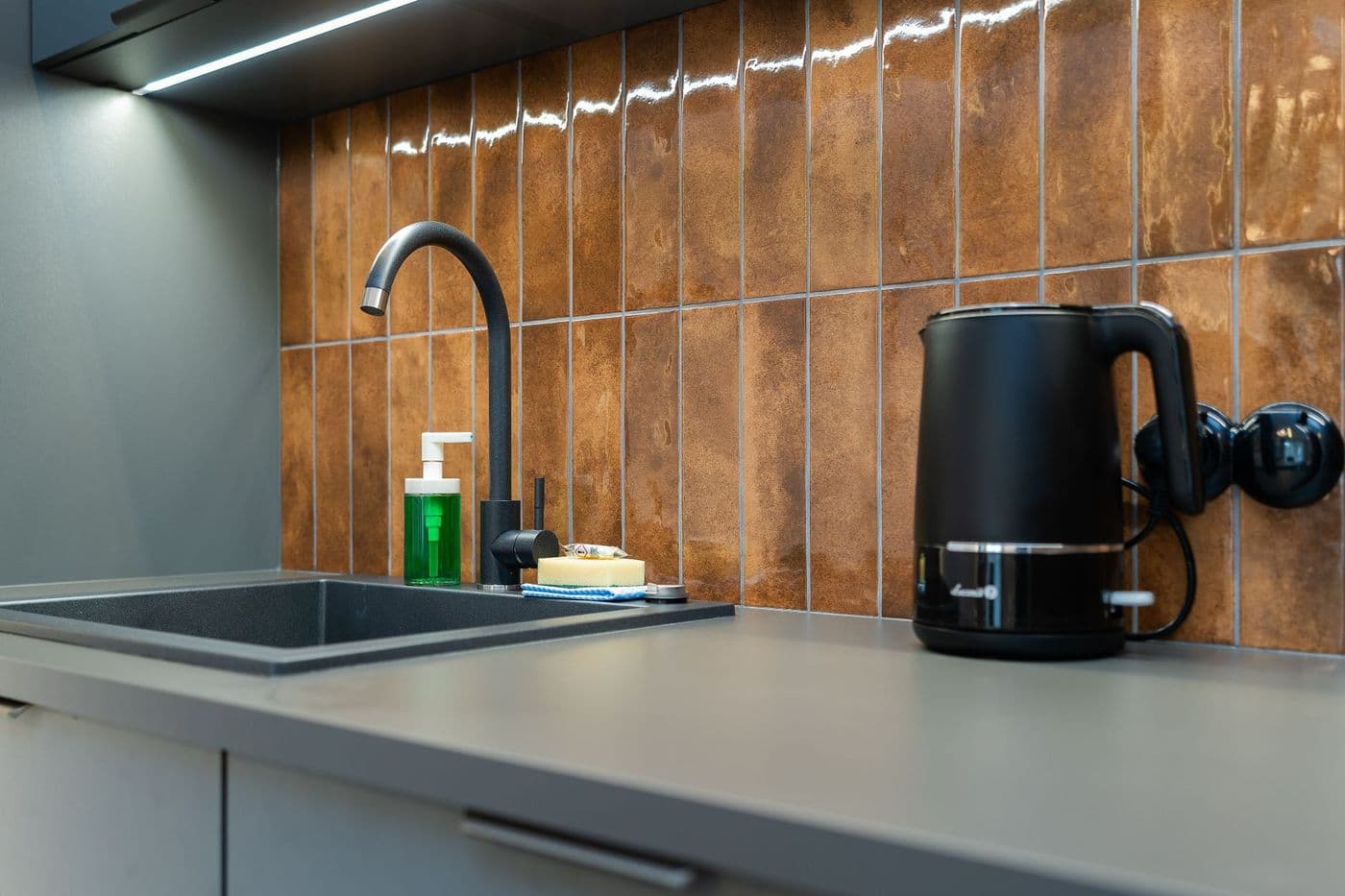
Fill the kettle about halfway with equal parts white vinegar and water (or water with 1–2 tablespoons of citric acid), bring it to a boil, switch it off and let it stand for 30–60 minutes. Pour it away, scrub any loose scale with a soft brush, then fill with fresh water, boil and discard it two or three times to remove any taste.
If you live in a hard-water area, the white or chalky crust inside your kettle is limescale: calcium and magnesium minerals left behind as water evaporates. It is not harmful, but it makes flakes float in your tea, slows heating and can shorten the life of the element.
Limescale is alkaline, which means a mild acid dissolves it. White vinegar and citric acid are the two most common choices. Both work well; citric acid has almost no smell, while vinegar is the one most people already have in the cupboard.
Vinegar or citric acid: which to use
White vinegar is cheap, easy to find and effective on light to moderate scale. Its downside is the smell, which takes a couple of fresh boils to clear.
Citric acid is sold as a powder in the baking or cleaning aisle. It is odorless, very effective on heavy buildup, and a small bag lasts many descales. Lemon juice contains citric acid too, but in a much weaker, variable concentration, so it works best for light scale.
Whatever you choose, check your kettle's manual first. Some manufacturers recommend a specific descaler, and a few warn against using vinegar on certain finishes or filters.
Method 1: Descale with white vinegar
This is the classic method for most stainless steel, glass and plastic electric kettles.
- Empty the kettle and let it cool if it was recently used.
- Fill it halfway to the max line with a mix of 1 part white vinegar to 1 part water. For light scale, 1 part vinegar to 2 parts water is enough.
- Bring it to a boil, then switch it off. Do not let it boil repeatedly.
- Leave it to stand for 30–60 minutes, or up to a few hours for thick buildup.
- Pour the solution away and rinse.
Method 2: Descale with citric acid
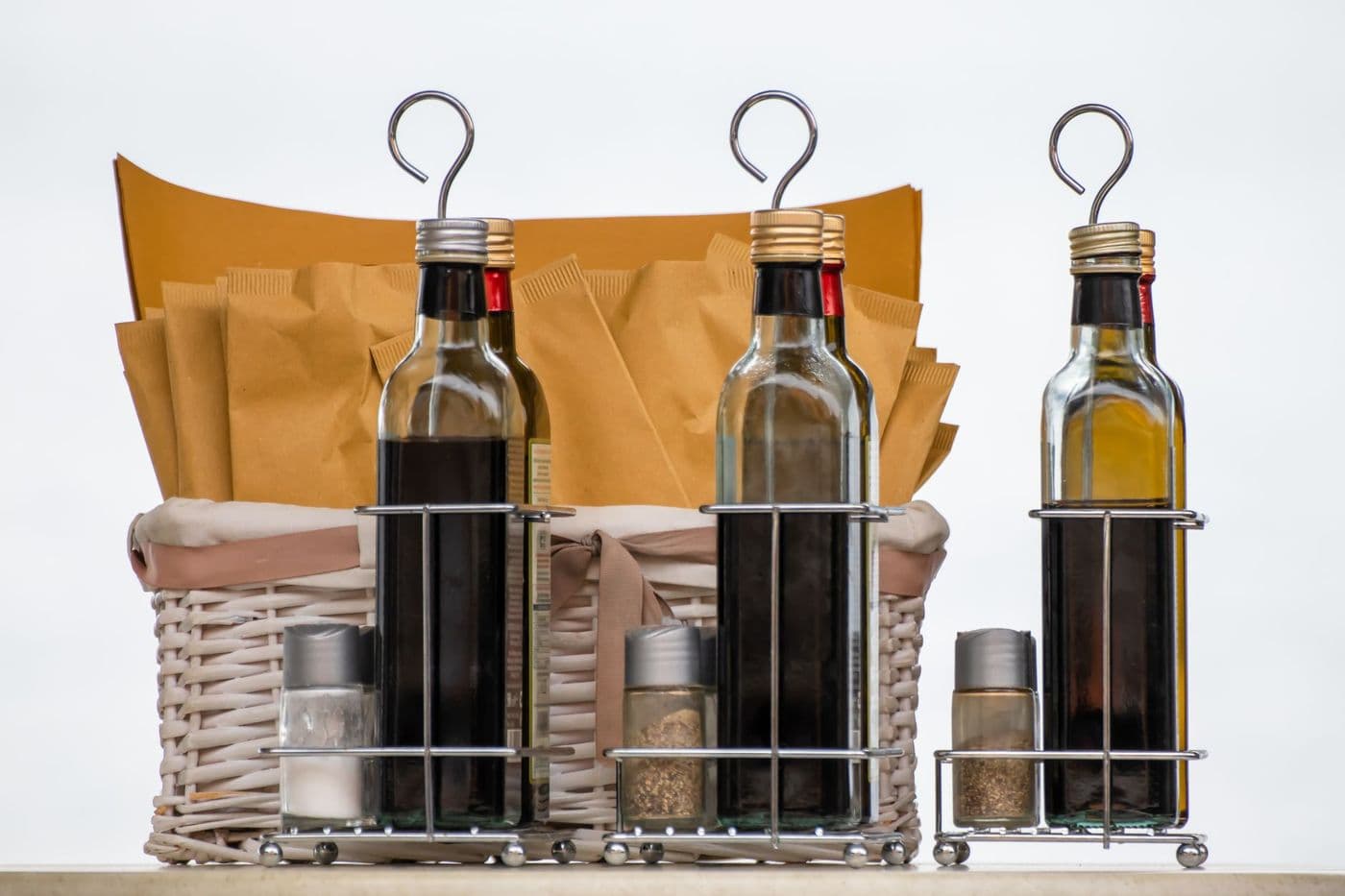
Add 1–2 tablespoons of citric acid powder to a kettle filled halfway to two-thirds with water. Boil, switch off and leave it for 15–30 minutes. You will often see the scale fizz and dissolve within minutes.
For very heavy buildup, repeat the cycle rather than adding much more powder. Citric acid solution can foam when it boils, so do not fill the kettle above the max line.
Tip: If you prefer not to boil acid, you can dissolve the citric acid in water that has already been boiled and poured back into the kettle. It works a little more slowly.
Scrub and rinse thoroughly
After soaking, most scale either dissolves or comes away in flakes. Use a soft bottle brush or a non-scratch sponge to wipe the sides and around the element. Do not use steel wool or knives, which can scratch the interior and damage the element or temperature sensor.
Clean the limescale filter in the spout too. Most can be pulled out and soaked separately in the same solution for 15 minutes, then rinsed.
Rinse the kettle well, then fill it with fresh water, boil it and pour it away. Repeat two or three times until there is no vinegar or citrus taste. Smell the steam; if you can still detect vinegar, do another rinse boil.
Clean the outside
Unplug the kettle and lift it off its base. Wipe the outside with a cloth dampened in warm soapy water and dry it. For stainless steel, wipe along the grain to avoid streaks.
Never submerge an electric kettle or its base in water, and keep the base and its electrical contacts completely dry.
What not to do
Descaling is easy, but a few mistakes can damage the kettle or affect safety.
- Do not use bleach or mix bleach with vinegar or citric acid; acids and bleach release toxic chlorine gas.
- Do not use toilet or bathroom descalers in a kettle; they are not meant for food-contact surfaces.
- Do not leave strong acid solutions in an aluminum kettle for long periods; follow the manufacturer's advice for aluminum.
- Do not drink or use the descaling solution for anything else.
How often to descale and how to slow buildup
In hard-water areas, descaling every two to four weeks keeps scale thin and quick to remove. In soft-water areas, every few months may be enough. A good rule is to descale as soon as you see a white film forming.
To slow buildup, empty the kettle after each use rather than leaving water standing in it, and boil only as much water as you need. Using filtered water from a jug filter can also reduce how often you need to descale.
Frequently asked questions
Is limescale in a kettle harmful?
Limescale is mostly calcium and magnesium carbonate from your water supply and is not generally considered harmful, but it affects taste, appearance and the efficiency of the kettle.
How do I get the vinegar taste out of my kettle?
Rinse it well, then boil fresh water and discard it two or three times. If a faint smell remains, leave the lid open to air it out before the next use.
Can I use lemon juice to descale a kettle?
Yes, for light scale. Use the juice of one or two lemons in a half-full kettle, boil, leave it for an hour and rinse well. Citric acid powder is stronger and more predictable for heavy buildup.
Can I descale a kettle with baking soda?
Baking soda is alkaline, like limescale, so it is not effective at dissolving it. Use a mild acid such as vinegar or citric acid instead.
Advertisement
General information only. Check product labels and manufacturer instructions before you start.
Keep reading
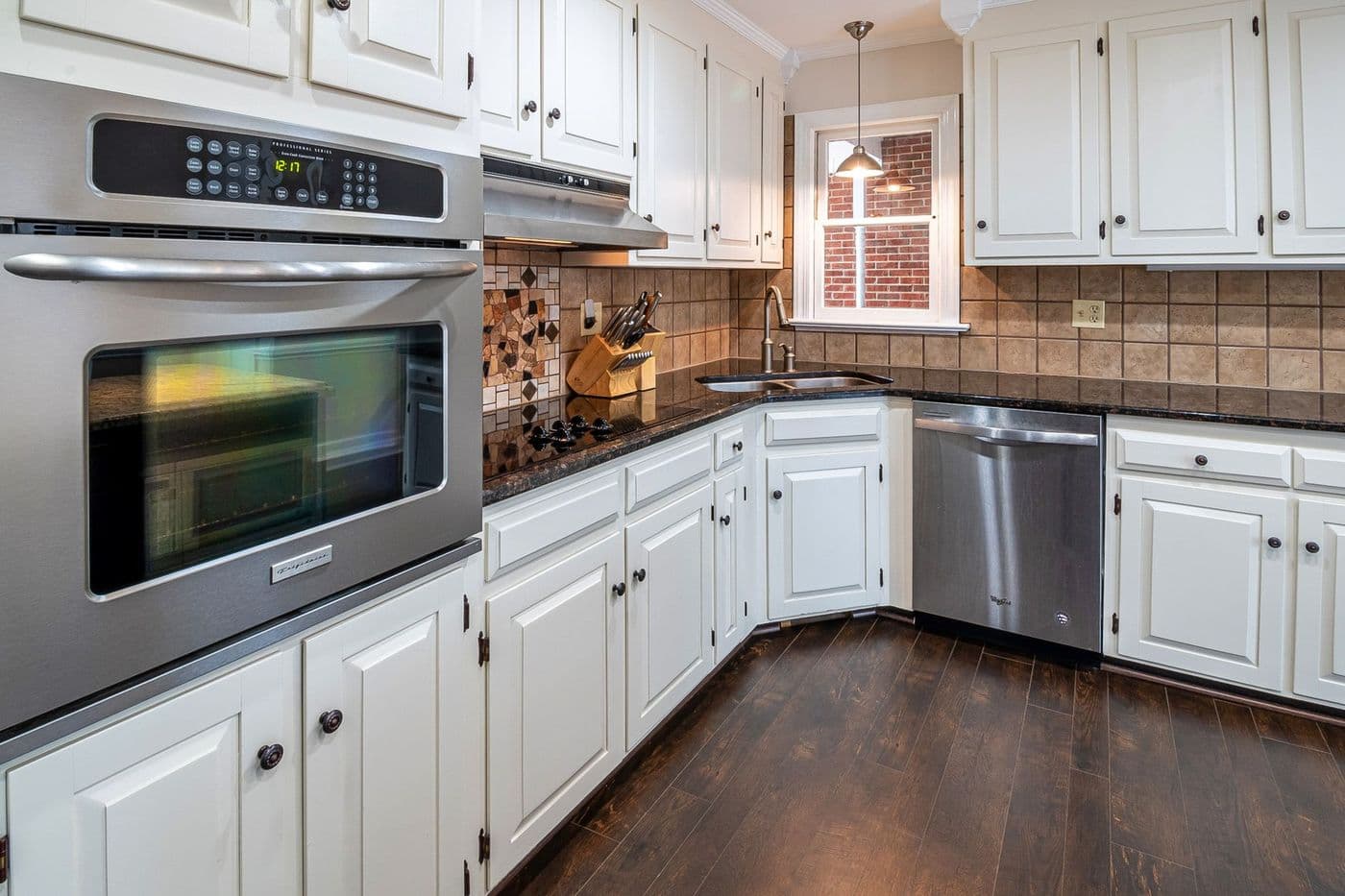
Clean Greasy Kitchen Cabinets: 3 Methods by Finish
Cut sticky grease on wood, painted or laminate cabinets with dish soap, baking soda or diluted vinegar, matched to the finish so nothing is damaged.
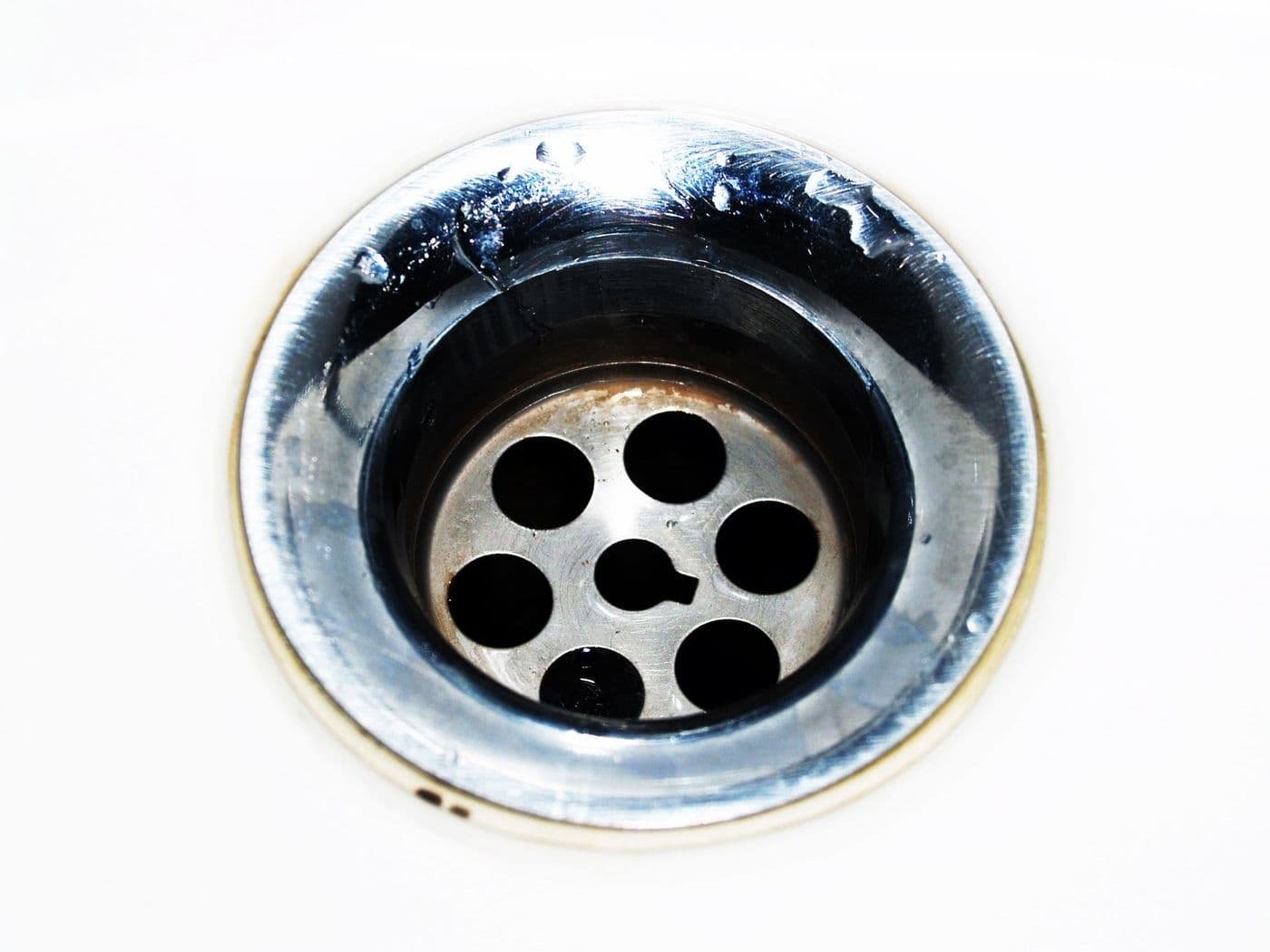
Clean a Garbage Disposal: Stop the Smell in 4 Safe Steps
Clean a smelly garbage disposal with ice, baking soda and vinegar, scrub the hidden splash guard, and learn what never to pour or grind down the drain.
Clean a Microwave With Lemon in 10 Minutes (No Scrubbing)
Steam a dirty microwave clean with one lemon and a cup of water: exact timings, the superheating safety step, the turntable and getting rid of smells.