Clean a Garbage Disposal: Stop the Smell in 4 Safe Steps
Clean a smelly garbage disposal with ice, baking soda and vinegar, scrub the hidden splash guard, and learn what never to pour or grind down the drain.
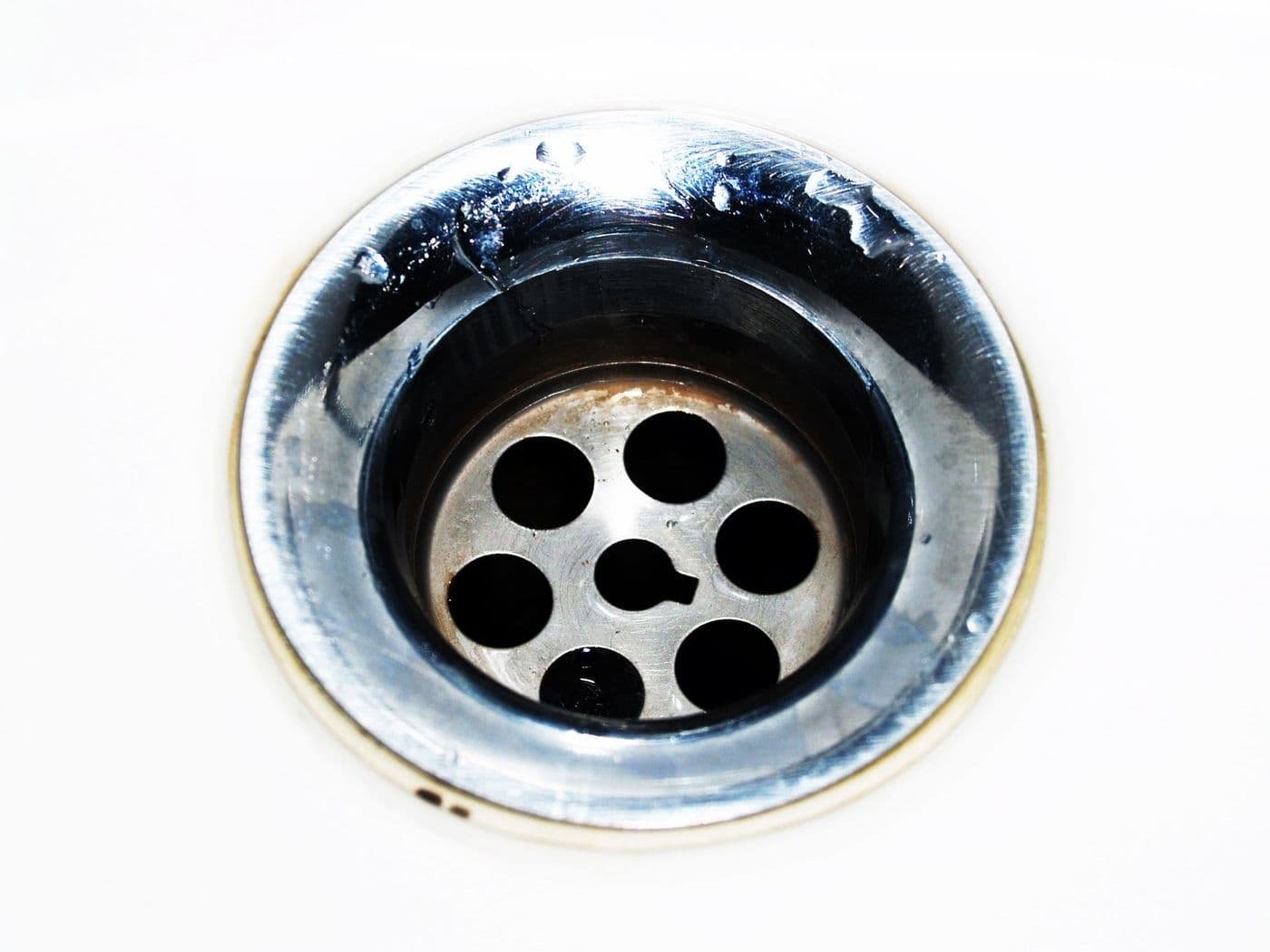
Switch off the disposal at the wall switch or breaker, then scrub the underside of the rubber splash guard with an old toothbrush and dish soap. Pour ½ cup of baking soda followed by 1 cup of white vinegar into the drain, let it fizz for 10 minutes, then flush with hot water. Finish by running the disposal with cold water and a cup of ice cubes to knock residue off the grinding chamber.
A garbage disposal smells when food particles cling to the splash guard, the walls of the grinding chamber and the drain pipe, then start to rot. Running water alone does not reach most of it. A short monthly clean deals with the cause rather than masking the odor.
The most important part of this guide is safety. Never put your hand into a disposal, even when it is switched off, and always cut the power before reaching anywhere near the opening with a brush.
Safety first
Turn the disposal off and, if you will be working near the opening, disconnect power completely. Many disposals plug into an outlet under the sink; unplug it. If yours is hard-wired, switch it off at the circuit breaker.
Use tongs or pliers, never fingers, to remove anything that has fallen in, such as a spoon or bottle cap. Keep children away from the sink while you work.
Tip: Do not pour chemical drain cleaners into a disposal and then add other cleaners. Mixing drain cleaners with each other, with bleach or with vinegar can cause dangerous reactions and splash-back.
What you need
You do not need a special disposal cleaner for routine care.
- An old toothbrush or a long-handled dish brush
- Dish soap
- ½ cup baking soda
- 1 cup white vinegar
- A kettle of hot (not boiling) water
- 1–2 cups of ice cubes
- Optional: a lemon or orange peel for scent
Step 1: Scrub the splash guard
The rubber flaps at the top of the drain are often the main source of the smell. Food gets trapped on their underside, where you cannot see it.
With the power off, lift each flap with the brush and scrub the underside and the inside of the rim with dish soap. Some splash guards twist or pull out for cleaning; check your model's manual. Rinse with warm water and you will often notice the smell has already faded.
Step 2: Baking soda and vinegar flush
Pour ½ cup of baking soda into the drain, then slowly pour in 1 cup of white vinegar. It will foam up. Cover the drain with a sink stopper so the fizz is pushed down into the chamber, and leave it for about 10 minutes.
Flush with hot tap water or water from the kettle that has cooled slightly. Very hot boiling water is best avoided if you have PVC drain pipes, as repeated exposure is not recommended for some plastic plumbing.
The foaming reaction helps loosen loose residue, while the hot water carries it away. It is a gentle routine clean, not a fix for a clog.
Step 3: Grind ice to scour the chamber
Restore power. Turn on the cold water, start the disposal and drop in 1–2 cups of ice cubes. The ice tumbles around the chamber and knocks off sludge stuck to the grinding parts.
Some people add a handful of coarse salt with the ice for extra scrubbing. Run the disposal until the grinding sound stops, then keep the water running for another 15–20 seconds.
Step 4: Freshen with citrus
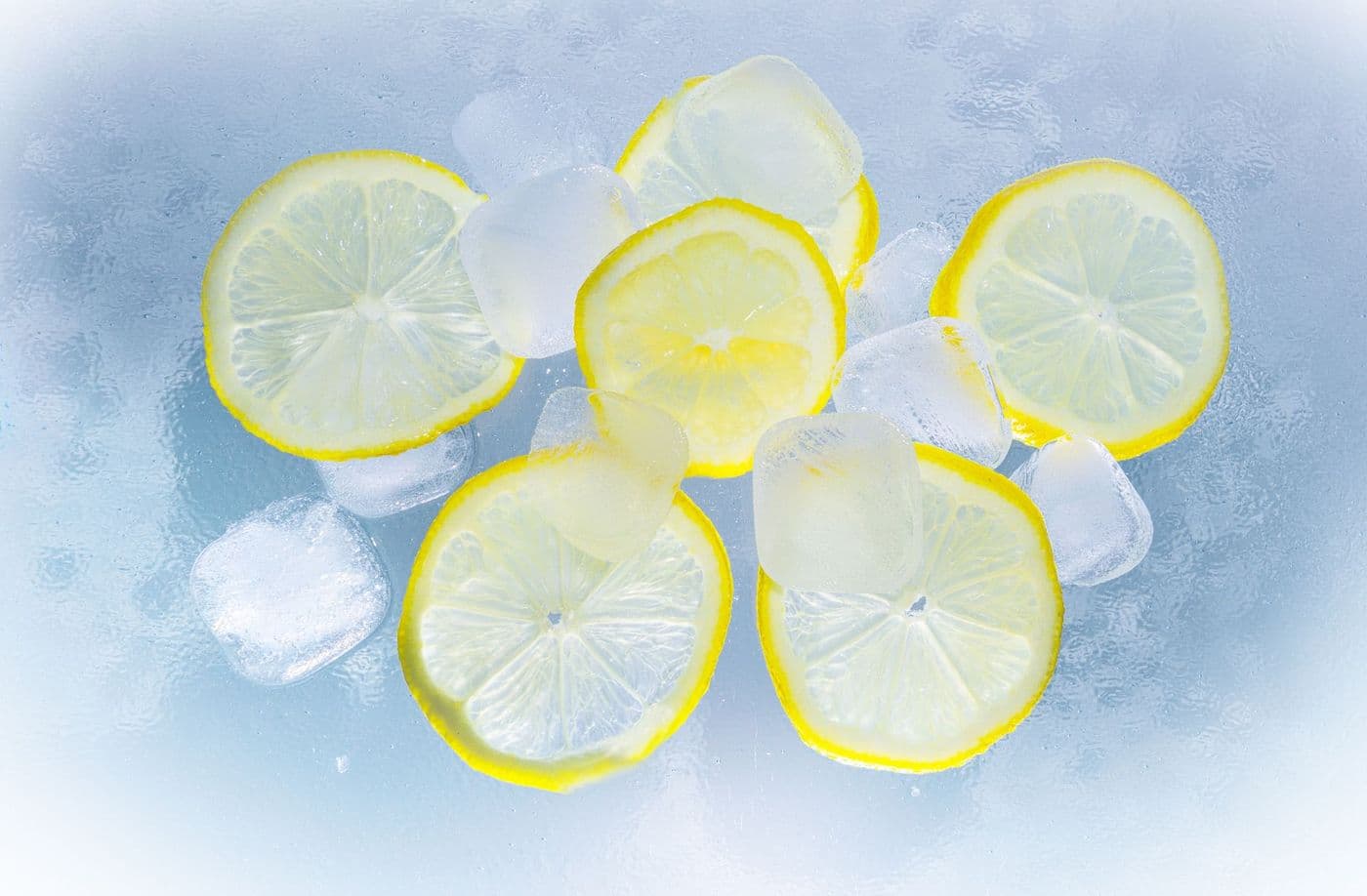
With the cold water running, grind a few small pieces of lemon or orange peel. They leave a fresh smell. Cut them into small pieces first and add them one at a time so the disposal is not overloaded.
This is a finishing touch, not a cleaning step. If the smell returns within a day or two, the splash guard or chamber was not fully cleaned, or there may be a blockage further down the pipe.
Habits that prevent smells and jams
Most disposal problems come from what goes into them.
- Always run cold water before, during and for a few seconds after grinding.
- Avoid grease, oil and fat: they solidify in pipes and coat the chamber.
- Keep fibrous and starchy scraps out, such as celery strings, corn husks, potato peels, pasta and rice, which can tangle or swell.
- Do not grind bones, fruit pits, eggshells in large amounts or coffee grounds in quantity.
- Run the disposal for a few seconds every day or two so food does not sit in the chamber.
Frequently asked questions
How often should I clean my garbage disposal?
A full clean of the splash guard plus the baking soda and ice routine once a month is enough for most kitchens. Clean more often if you use it heavily or notice a smell.
Is it safe to put bleach down a garbage disposal?
It is not recommended. Bleach can be harsh on rubber parts, and it is dangerous if it mixes with vinegar, ammonia or drain cleaners in the pipe. Baking soda, vinegar, dish soap and ice are safer for routine cleaning.
Why does my disposal still smell after cleaning?
The underside of the splash guard is the usual culprit. If that is clean, the smell may be coming from the drain trap or the dishwasher drain hose. Persistent odors or slow draining are worth checking with a plumber.
Does ice sharpen garbage disposal blades?
Most disposals use blunt impellers rather than sharp blades, so ice does not sharpen them. It does help scrub residue off the grinding chamber.
Advertisement
General information only. Check product labels and manufacturer instructions before you start.
Keep reading
Clean Greasy Kitchen Cabinets: 3 Methods by Finish
Cut sticky grease on wood, painted or laminate cabinets with dish soap, baking soda or diluted vinegar, matched to the finish so nothing is damaged.
Descale a Kettle With Vinegar or Citric Acid: Exact Amounts
Remove white limescale from an electric kettle with vinegar or citric acid: exact amounts, soak times, how to rinse out the taste and how often to repeat.
Clean a Microwave With Lemon in 10 Minutes (No Scrubbing)
Steam a dirty microwave clean with one lemon and a cup of water: exact timings, the superheating safety step, the turntable and getting rid of smells.