Clean Shower Grout: 4 Methods From Gentle to Deep
Clean dirty shower grout with baking soda, oxygen bleach or steam, step by step, then seal it so it stays clean longer. Includes natural stone warnings.
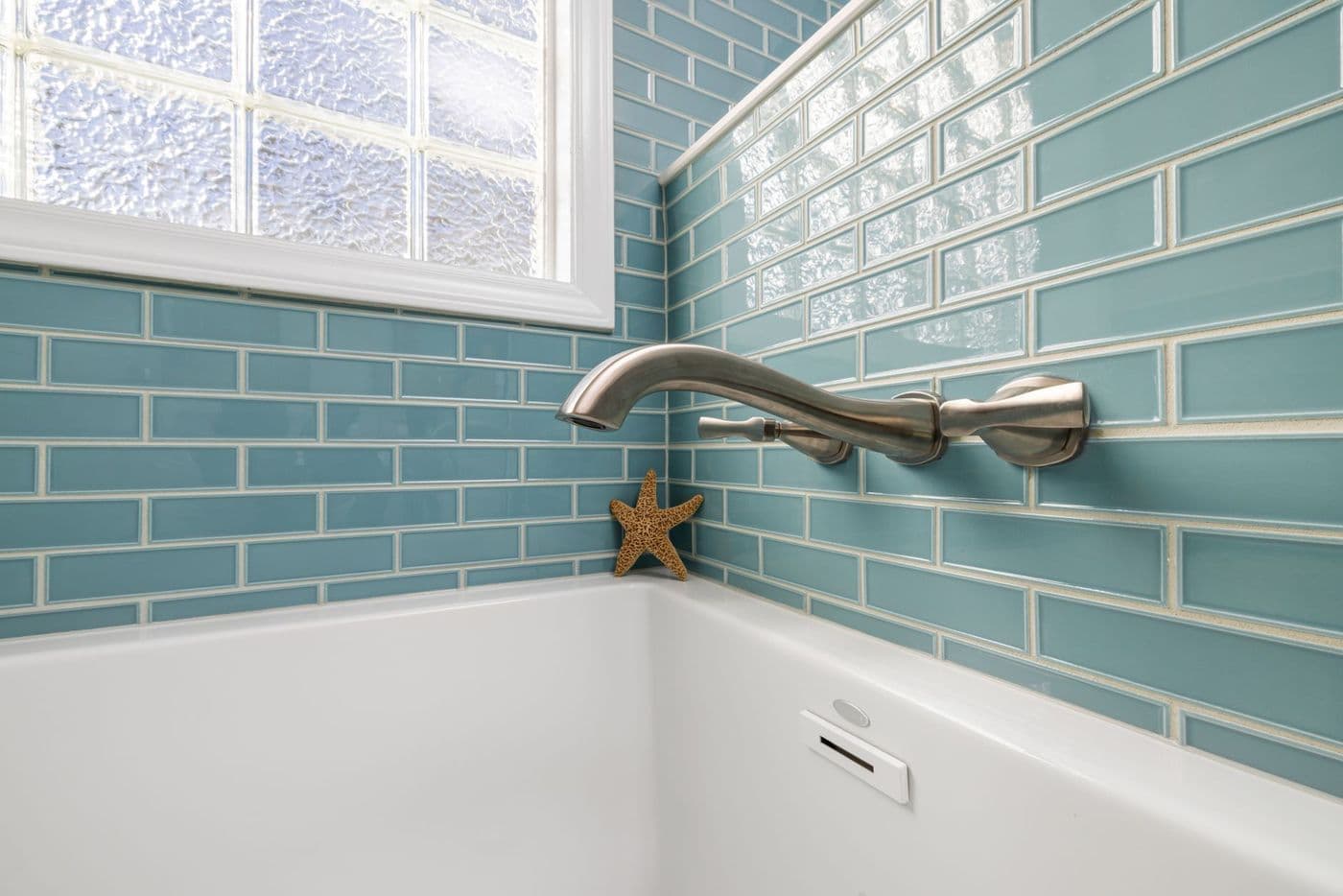
Spray the grout with warm water, apply a paste of baking soda and water, and scrub along the grout lines with a stiff nylon brush, then rinse. For darker staining, dissolve oxygen bleach (sodium percarbonate) in warm water according to the label, apply it to the grout, leave it 10–15 minutes, scrub and rinse well. Once dry, apply a grout sealer to slow future staining.
Grout is porous. Unlike the glazed tile around it, it soaks up soap scum, body oils and hard-water minerals, and that damp, dirty surface is where mildew likes to grow. That is why grout lines turn gray or dark even when the tiles look clean.
The best approach is to start gently and only step up to stronger products if you need them. Most grout responds to a baking soda scrub; heavily stained grout usually needs oxygen bleach or steam.
Before you start
Open a window or run the exhaust fan, and wear rubber gloves. Check what your tile is made of: natural stone such as marble, travertine or limestone is damaged by acids like vinegar and by harsh scrubbing, so stick to pH-neutral cleaners designed for stone.
Also check whether your grout is cementitious (the most common type) or epoxy. Epoxy grout is much less porous and usually only needs mild soap and water.
Tip: Use a stiff nylon grout brush or an old toothbrush. Wire brushes can scratch tile and wear grout away.
Method 1: Baking soda paste for routine dirt
This is gentle enough for regular use and handles light gray grime.
- Mix about ½ cup of baking soda with enough water to make a thick paste.
- Wet the grout with warm water, then spread the paste along the lines with your brush or finger.
- Leave it for 5–10 minutes.
- Scrub along each grout line in short back-and-forth strokes.
- Rinse thoroughly with warm water and wipe the tiles dry.
Method 2: Oxygen bleach for stains and mildew
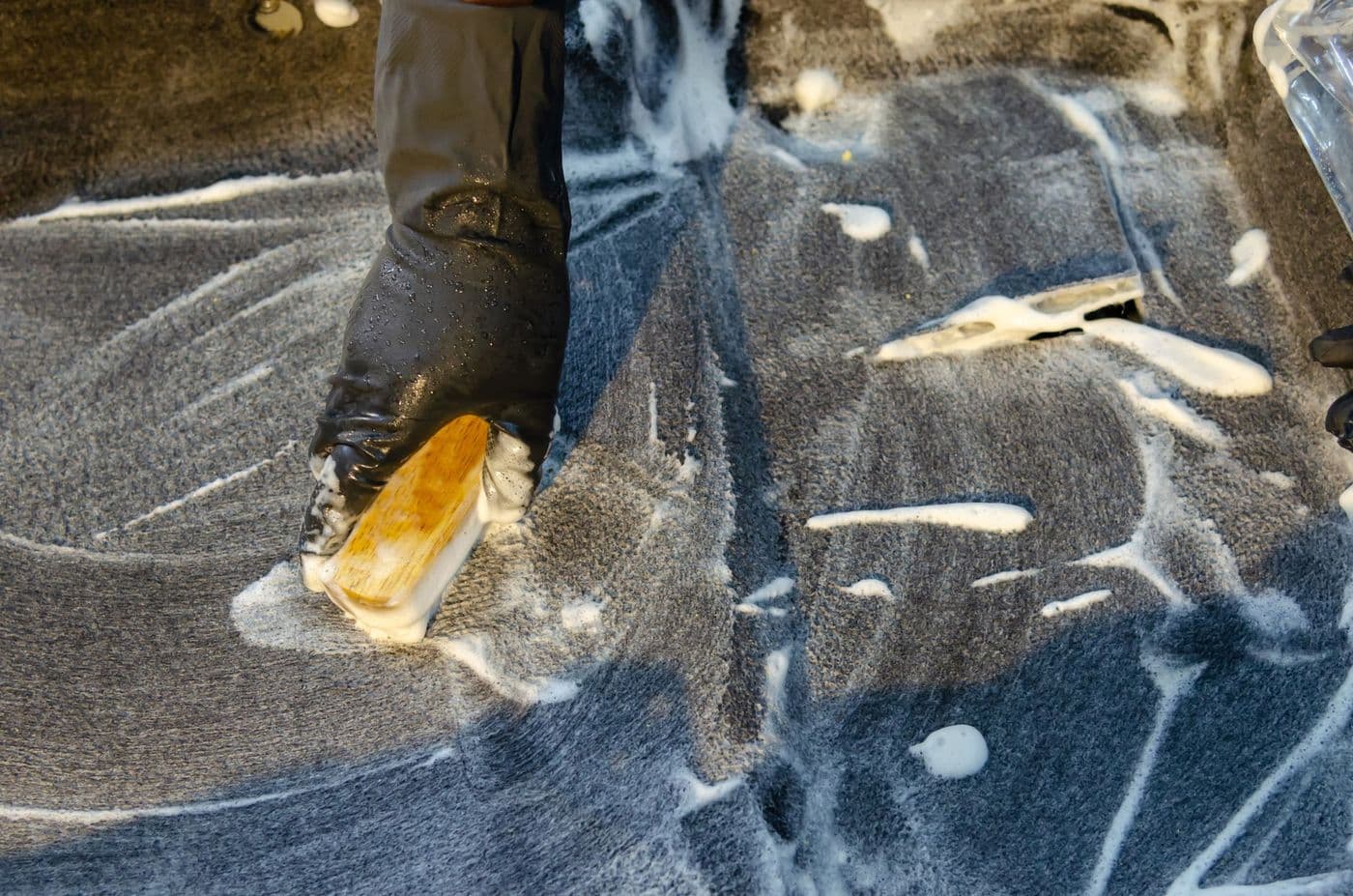
Oxygen bleach, sold as a powder containing sodium percarbonate, releases hydrogen peroxide when dissolved in water. It lifts organic stains and mildew discoloration from grout and is gentler on colors than chlorine bleach.
Dissolve the powder in warm water following the amounts on the packaging. Apply the solution to the grout with a brush or spray bottle, let it sit for 10–15 minutes while it bubbles, then scrub and rinse well. Stubborn areas may need a second application.
Use the solution fresh, as it loses strength once mixed, and do not store it in a sealed container.
Method 3: Chlorine bleach for persistent mold (with care)
For black mold spots that oxygen bleach does not remove on white grout, a diluted chlorine bleach solution can help. Follow the dilution instructions on the bleach label, apply with a brush, leave for a few minutes, scrub and rinse thoroughly. Ventilate well and keep children and pets out of the room.
Chlorine bleach can fade colored grout, so test a hidden area first. Most importantly, never mix it with vinegar, other acids, ammonia or other cleaning products, and rinse away any previous cleaner before using it. These combinations release toxic gases.
Method 4: Steam cleaning
A handheld steam cleaner with a small nozzle or grout brush attachment uses heat and moisture without chemicals. Work slowly along each line, then wipe away the loosened dirt with a microfiber cloth.
Steam works well on sealed ceramic and porcelain tile. Check your tile and grout manufacturer's guidance before steaming natural stone or older, crumbling grout.
Seal the grout to keep it clean
Once the grout is clean and completely dry, which usually means waiting at least 24 hours, apply a penetrating grout sealer with a small brush or applicator bottle. Wipe any excess off the tiles before it dries.
Sealer does not make grout waterproof, but it slows the absorption of dirt and moisture, so cleaning is quicker. Follow the product's instructions for how often to reapply; many suggest checking once a year by dripping water on the grout. If it darkens quickly, it is time to reseal.
Habits that keep grout cleaner
A few seconds after each shower saves a lot of scrubbing.
- Squeegee the walls or wipe them with a towel after showering.
- Run the exhaust fan during and for 20–30 minutes after showers.
- Leave the shower door or curtain open so the space dries out.
- Do a quick baking soda scrub every two to four weeks before grime sets in.
Frequently asked questions
Can I use vinegar to clean grout?
Diluted vinegar can help with hard-water deposits on sealed ceramic tile, but repeated use can wear down cement-based grout and it damages natural stone. Baking soda or oxygen bleach are better routine choices.
What is the best way to whiten grout?
Oxygen bleach dissolved in warm water is effective for whitening most cement-based grout. For very old or permanently stained grout, a grout colorant or regrouting may be the only full fix.
How often should shower grout be cleaned?
A light scrub every two to four weeks prevents buildup. A deeper clean with oxygen bleach every few months, plus resealing as needed, keeps it looking fresh.
Why does my grout turn black again so quickly?
Usually because it stays damp. Improve ventilation, dry the walls after showering and reseal the grout once it is clean and dry.
Advertisement
General information only. Check product labels and manufacturer instructions before you start.
Keep reading

Clean a Bathroom Exhaust Fan Safely in 20 Minutes
Clean a dusty, noisy bathroom exhaust fan step by step: cut the power, wash the cover, vacuum the blades and housing, then test the airflow with one sheet.
Clean a Shower Head With Vinegar: No Tools, 6 Steps
Unclog a shower head and restore water pressure with a simple vinegar bag soak, plus how to clear blocked nozzles and protect brass or matte black finish.

Remove Black Mold From Shower Caulk: Poultice Method
Lift black mold from silicone caulk around a tub or shower with a bleach poultice, learn when caulk must be replaced, and stop the mold coming back.