Remove Yellow Sweat Stains Without Chlorine Bleach
Lift yellow underarm stains from white shirts with baking soda, oxygen bleach or enzyme detergent, and learn why chlorine bleach can make them look worse.
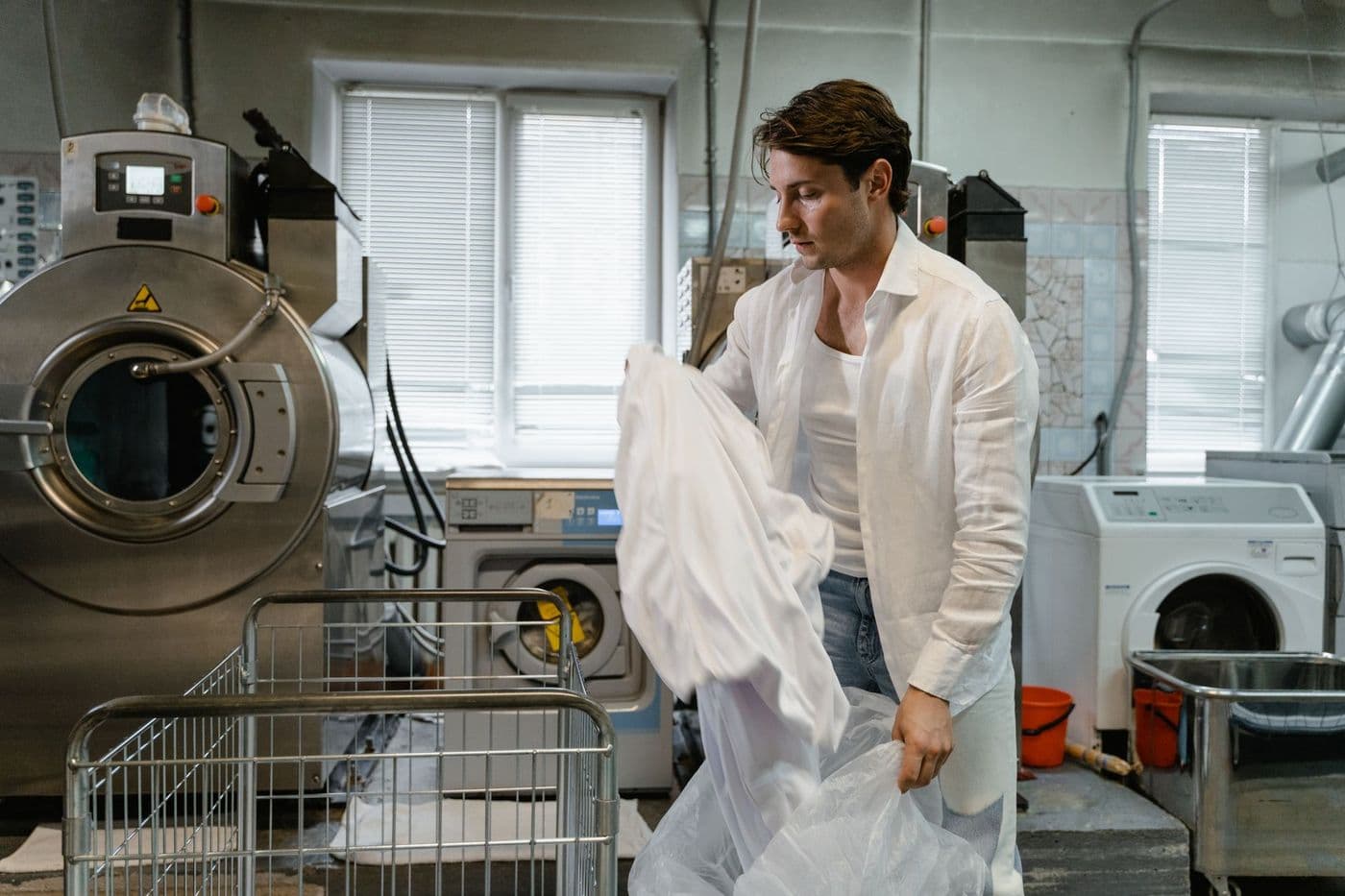
Wet the stained area, then rub in a paste of 2 tablespoons of baking soda, 1 tablespoon of liquid enzyme detergent and a little water, and leave it for 30–60 minutes. For older stains, soak the shirt for several hours in warm water with oxygen bleach mixed according to the label. Wash as usual and air-dry, checking the stain before using a dryer. Skip chlorine bleach, which can deepen yellowing.
Yellow underarm stains are not just sweat. They usually form when sweat mixes with deodorant or antiperspirant ingredients and body oils, then builds up over many washes. That is why a shirt can look fine at first and slowly turn yellow over months.
Because the stain is a mix of proteins, oils and residue, the most effective approach combines a mild alkali or enzyme with patience. Several rounds may be needed for set-in stains.
Check the fabric first
These methods are designed for washable white cotton, polyester and cotton blends. For silk, wool, rayon or anything labeled dry clean only, take it to a professional cleaner and point out the stain.
For colored shirts, test any treatment on an inside seam first, and use enzyme detergent rather than oxygen bleach if you see color change.
Method 1: Baking soda and enzyme detergent paste
This is a good first try for light to moderate stains.
- Dampen the stained area with warm water.
- Mix 2 tablespoons of baking soda with 1 tablespoon of liquid laundry detergent containing enzymes, adding a little water to make a paste.
- Rub the paste into both sides of the fabric with an old toothbrush or your fingers.
- Leave it for 30–60 minutes.
- Wash the shirt in the warmest water the care label allows.
Method 2: Oxygen bleach soak for set-in stains
Oxygen bleach (sodium percarbonate) is the most reliable option for older yellow stains on whites. Dissolve it in warm water following the amounts on the package, in a basin or bucket.
Submerge the shirts and leave them for at least 1–2 hours; heavily stained shirts can soak for up to the maximum time on the label. Then wash as usual. Several soaks may be needed for stains that have built up over a long time.
Tip: Oxygen bleach works best in warm water. Always dissolve the powder fully before adding clothes.
Method 3: Hydrogen peroxide and dish soap
For stubborn stains on white cotton, mix 2 parts 3% hydrogen peroxide with 1 part dish soap, and add a tablespoon of baking soda if you like. Apply it to the stain, scrub gently and leave it for up to an hour, then wash.
Mix this fresh each time and do not store it. Hydrogen peroxide can lighten colors, so use it only on whites. Never combine it with vinegar or chlorine bleach.
Why chlorine bleach is the wrong choice
It seems logical to use chlorine bleach on a white shirt, but it can react with the proteins in sweat and with some antiperspirant ingredients and make yellow stains darker. It also weakens fibers over time.
Never use chlorine bleach together with ammonia, vinegar, hydrogen peroxide or other cleaners. Stick with oxygen bleach and enzymes for this kind of stain.
Air-dry and repeat if needed
After washing, check the underarms in good light. If any yellowing remains, repeat the treatment before drying. Heat from a dryer can set what is left of the stain and make it harder to remove later.
Drying whites outside in sunshine can also help brighten them naturally.
How to prevent yellow stains
A few habits slow stains down a lot.
- Let deodorant or antiperspirant dry fully before getting dressed.
- Use less product; a thin layer is usually enough.
- Wash shirts after each wear instead of letting sweat sit in the fabric.
- Pre-treat underarms with enzyme detergent before washing light-colored shirts.
- Consider an aluminum-free deodorant if stains are a constant issue, as antiperspirant ingredients are often involved.
Frequently asked questions
Does vinegar remove yellow sweat stains?
Soaking in a mix of white vinegar and water can help loosen deodorant residue on some fabrics, but oxygen bleach and enzyme detergent are usually more effective on yellow stains. Rinse well and do not combine vinegar with bleach.
Can old yellow stains be removed?
Often, yes, with repeated oxygen bleach soaks. Very old stains that have been dried with heat many times may lighten but not disappear completely.
What causes armpit stains?
They usually form when sweat combines with ingredients in antiperspirants, especially aluminum compounds, and body oils, then builds up in the fabric over time.
Will baking soda damage my shirts?
Baking soda is gentle and safe for most washable fabrics. Rinse it out well and avoid scrubbing delicate weaves too hard.
Advertisement
General information only. Check product labels and manufacturer instructions before you start.
Keep reading
How Often to Wash Sheets: A Schedule for the Whole Bed
How often to wash sheets, pillowcases, duvet covers, blankets, pillows and mattress protectors, when to wash more often, and the best settings by fabric.
Clean a Front-Load Washer and Stop the Smell: 5 Steps
Fix a smelly front-load washing machine: clean the door gasket, detergent drawer and drain pump filter, run a hot cycle and use habits that prevent mildew.
Remove Blood Stains From Sheets: Fresh and Dried
Get fresh or dried blood out of bed sheets with cold water, enzyme detergent or hydrogen peroxide, and avoid the one common mistake that sets the stain.