Remove Blood Stains From Sheets: Fresh and Dried
Get fresh or dried blood out of bed sheets with cold water, enzyme detergent or hydrogen peroxide, and avoid the one common mistake that sets the stain.
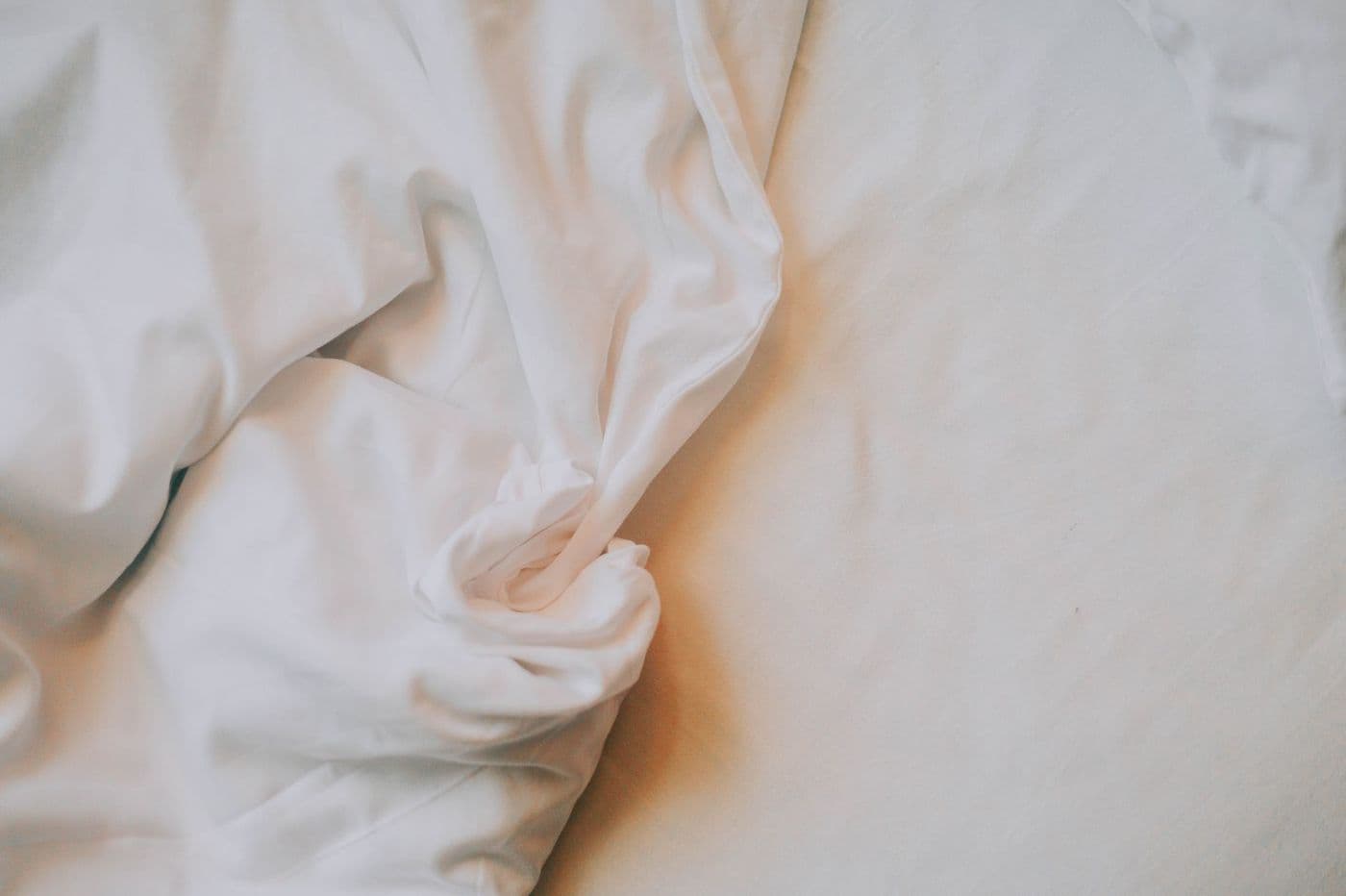
Rinse the stain from the back of the fabric with cold water as soon as possible, never hot. Rub in a little dish soap or enzyme laundry detergent, let it sit for 15–30 minutes, and rinse again. For dried stains, soak the sheet in cold water with enzyme detergent for a few hours. On white cotton, dab remaining marks with 3% hydrogen peroxide. Air-dry and check before using the dryer.
Blood is a protein stain, which is why it behaves differently from food or grease. Heat cooks the protein and bonds it to the fibers, so the classic mistake is washing a blood stain in hot water or putting the sheet in the dryer before the stain is gone.
Cold water and patience solve most blood stains on bedding. Fresh stains are easy; dried ones need a longer soak, but they usually come out too.
The first rule: cold water only
Strip the sheet off the bed and rinse the stain under cold running water, holding the fabric so the water flows through from the back. This pushes the blood out of the fibers rather than further in.
Do not rub hard at this stage, which can spread the stain and rough up the fabric. Gentle squeezing and dabbing is enough.
Tip: Avoid hot water, the dryer and ironing until the stain is completely gone. Heat can set blood permanently.
Fresh stains: soap and cold water
For a stain that is still wet or only a few hours old:
- Rinse with cold water from the back of the fabric.
- Rub a few drops of dish soap or liquid enzyme laundry detergent into the stain with your fingers.
- Leave it for 15–30 minutes.
- Rinse with cold water and check the stain.
- Repeat if needed, then wash the sheet on a cold or cool cycle.
Dried stains: an enzyme soak
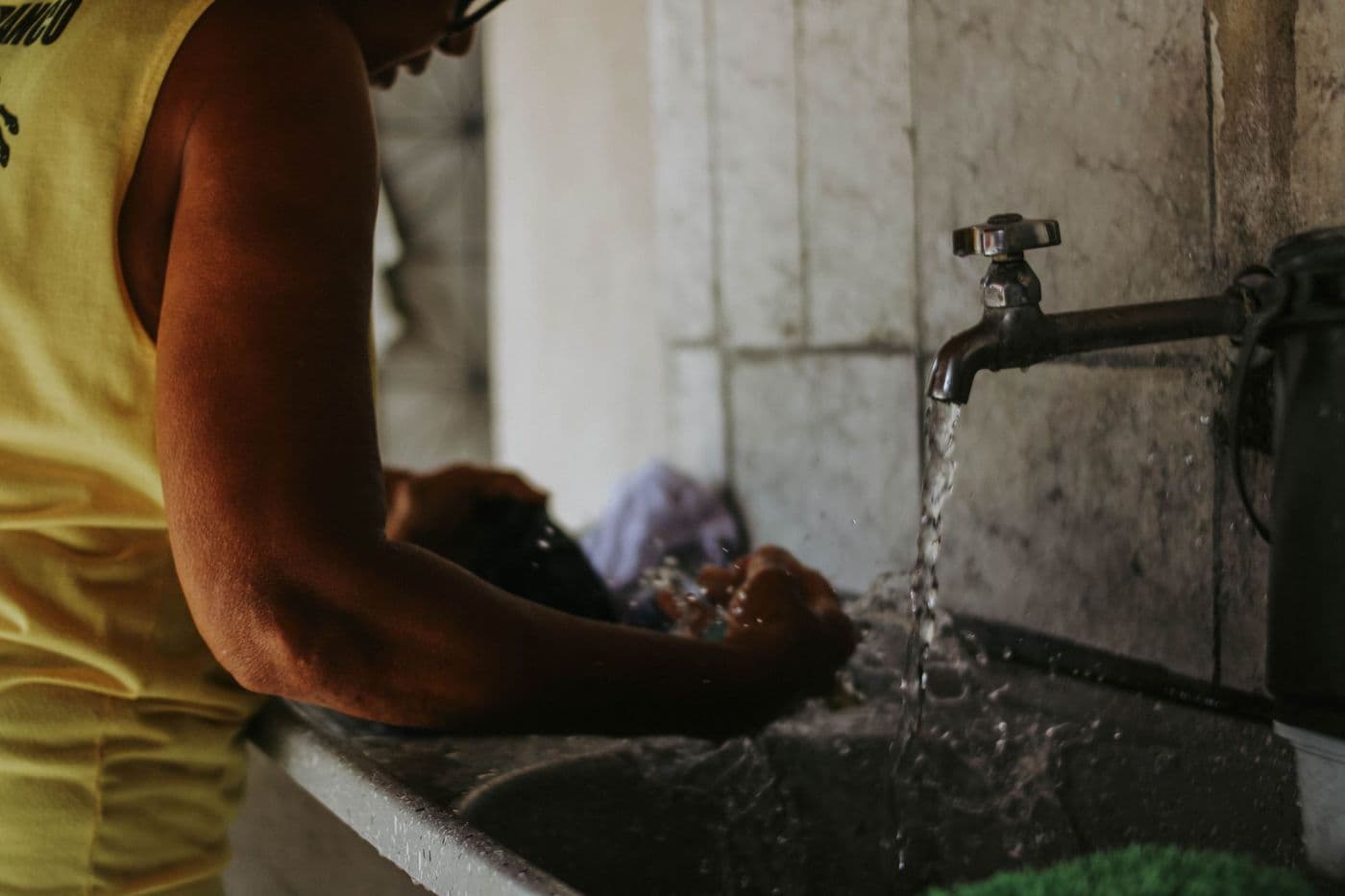
Enzyme detergents contain proteases, which break down proteins like blood. Many regular laundry detergents include them; check the label for the word enzyme, or use a dedicated enzyme stain remover.
Fill a basin or sink with cold water and add detergent according to the label's pre-soak directions. Submerge the stained area and leave it for several hours or overnight. Then gently rub the stain between your fingers, rinse, and wash as usual in cool water.
A paste of salt and cold water rubbed into the stain before soaking can also help loosen dried blood on sturdy cotton.
Hydrogen peroxide for white sheets
Household 3% hydrogen peroxide is effective on stubborn blood stains, but it can lighten colored fabric. Use it on white cotton or test a hidden seam on colored sheets first.
Dab it onto the stain with a cotton pad or pour a small amount directly on. It will fizz as it reacts. Blot, then rinse with cold water. Repeat until the mark fades, then wash. Avoid using it on silk, wool or delicate fabrics.
Never mix hydrogen peroxide with vinegar in the same container, and do not combine it with chlorine bleach.
Mattress covers and mattresses
If the blood soaked through to the mattress, do not pour water on it. Mix a little cold water with a drop of dish soap, dab it onto the stain with a cloth and blot with a dry cloth. Repeat until no more transfers to the cloth.
For stubborn marks on a mattress, an enzyme stain remover applied sparingly works well. Use as little liquid as possible, blot thoroughly and let the area dry completely before making the bed. A waterproof mattress protector prevents this problem next time.
What to avoid
Some popular tips make blood stains harder to remove.
- Hot water, the dryer or an iron before the stain is gone.
- Chlorine bleach on protein stains, which can yellow them and weakens fibers; it is also never safe to mix with peroxide, vinegar or ammonia.
- Scrubbing with a stiff brush, which damages the weave of fine sheets.
- Ammonia on silk, wool or other protein fibers.
Check before drying
After washing, look at the stained area in good light while the sheet is still wet. If you can still see a mark, repeat the soak or peroxide step instead of drying. Air-drying is the safer choice until you are sure the stain is completely gone.
Frequently asked questions
Does cold water really remove blood?
Cold water is the best first step because it rinses blood out without cooking the protein into the fibers. Hot water can set the stain.
Can I use hydrogen peroxide on colored sheets?
It can lighten some dyes. Test it on a hidden seam first, and use enzyme detergent instead if you see any color change.
How do I remove old, set-in blood stains?
Soak the item in cold water with an enzyme detergent for several hours or overnight, then wash cold. Repeat a few times if needed. Some stains that have been dried with heat may not come out completely.
Does salt remove blood stains?
A paste of salt and cold water can help loosen fresh or dried blood on sturdy fabrics like cotton. Rinse well afterwards and follow with detergent.
Advertisement
General information only. Check product labels and manufacturer instructions before you start.
Keep reading
How Often to Wash Sheets: A Schedule for the Whole Bed
How often to wash sheets, pillowcases, duvet covers, blankets, pillows and mattress protectors, when to wash more often, and the best settings by fabric.

Remove Yellow Sweat Stains Without Chlorine Bleach
Lift yellow underarm stains from white shirts with baking soda, oxygen bleach or enzyme detergent, and learn why chlorine bleach can make them look worse.
Clean a Front-Load Washer and Stop the Smell: 5 Steps
Fix a smelly front-load washing machine: clean the door gasket, detergent drawer and drain pump filter, run a hot cycle and use habits that prevent mildew.