Clean a Front-Load Washer and Stop the Smell: 5 Steps
Fix a smelly front-load washing machine: clean the door gasket, detergent drawer and drain pump filter, run a hot cycle and use habits that prevent mildew.
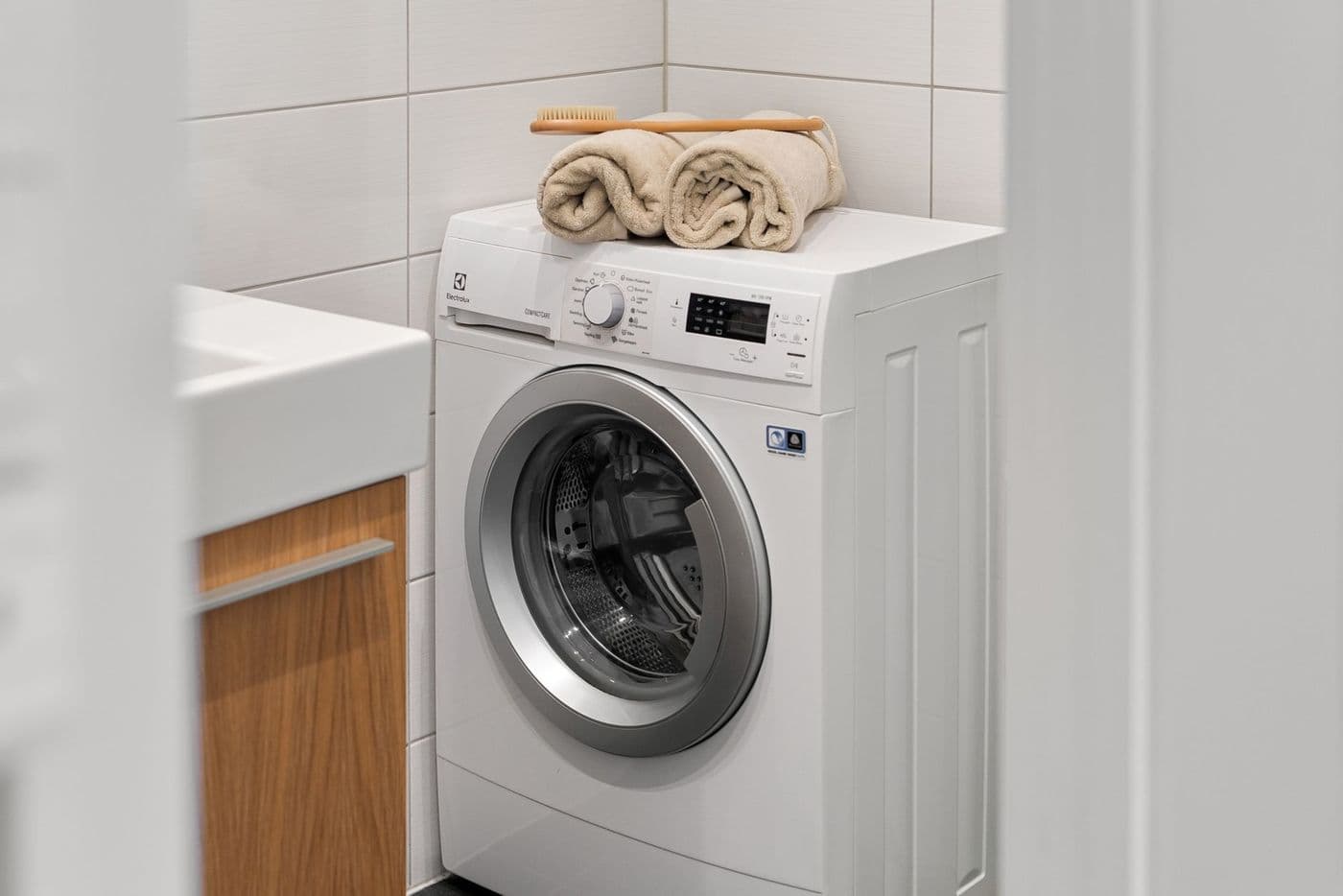
Wipe the rubber door gasket inside and out with warm soapy water, pulling back the folds to remove hair and gunk. Remove and scrub the detergent drawer. Then run the machine's self-clean or hottest cycle empty, using either a washing machine cleaner or the amount of chlorine bleach your manual recommends. Finish by drying the gasket and leaving the door ajar between washes.
Front-loading washers are efficient, but their airtight door seal traps moisture. Combine that with detergent residue, fabric softener and lint, and you get a musty smell, black spots on the gasket and, sometimes, laundry that smells worse after washing than before.
A thorough clean takes about 30 minutes of hands-on work plus one empty cycle. After that, a few small habits stop the smell from coming back.
Step 1: Clean the door gasket
The rubber seal around the door is usually the main source of the smell. Gently pull back the folds and look inside: you may find hair, coins, lint, slimy residue or black mildew spots.
Remove any debris by hand, then wipe the seal with a cloth dipped in warm water with a little dish soap. For mildew spots, use a bathroom mold cleaner or a diluted bleach solution following the bleach label, applied on a cloth. Let it sit for a few minutes, wipe, then rinse with a clean damp cloth and dry.
Tip: Wear gloves and ventilate the room if you use bleach. Never mix it with vinegar or ammonia-based cleaners.
Step 2: Scrub the detergent drawer
Pull the dispenser drawer out fully. Most have a release tab, often marked in the softener compartment, that lets the drawer come all the way out. Soak it in warm soapy water for 10–15 minutes, then scrub with an old toothbrush.
Look into the empty drawer cavity with a flashlight. Mold and residue often build up on the ceiling of the cavity; scrub it with the toothbrush and wipe it clean before reinserting the drawer.
Step 3: Run a cleaning cycle
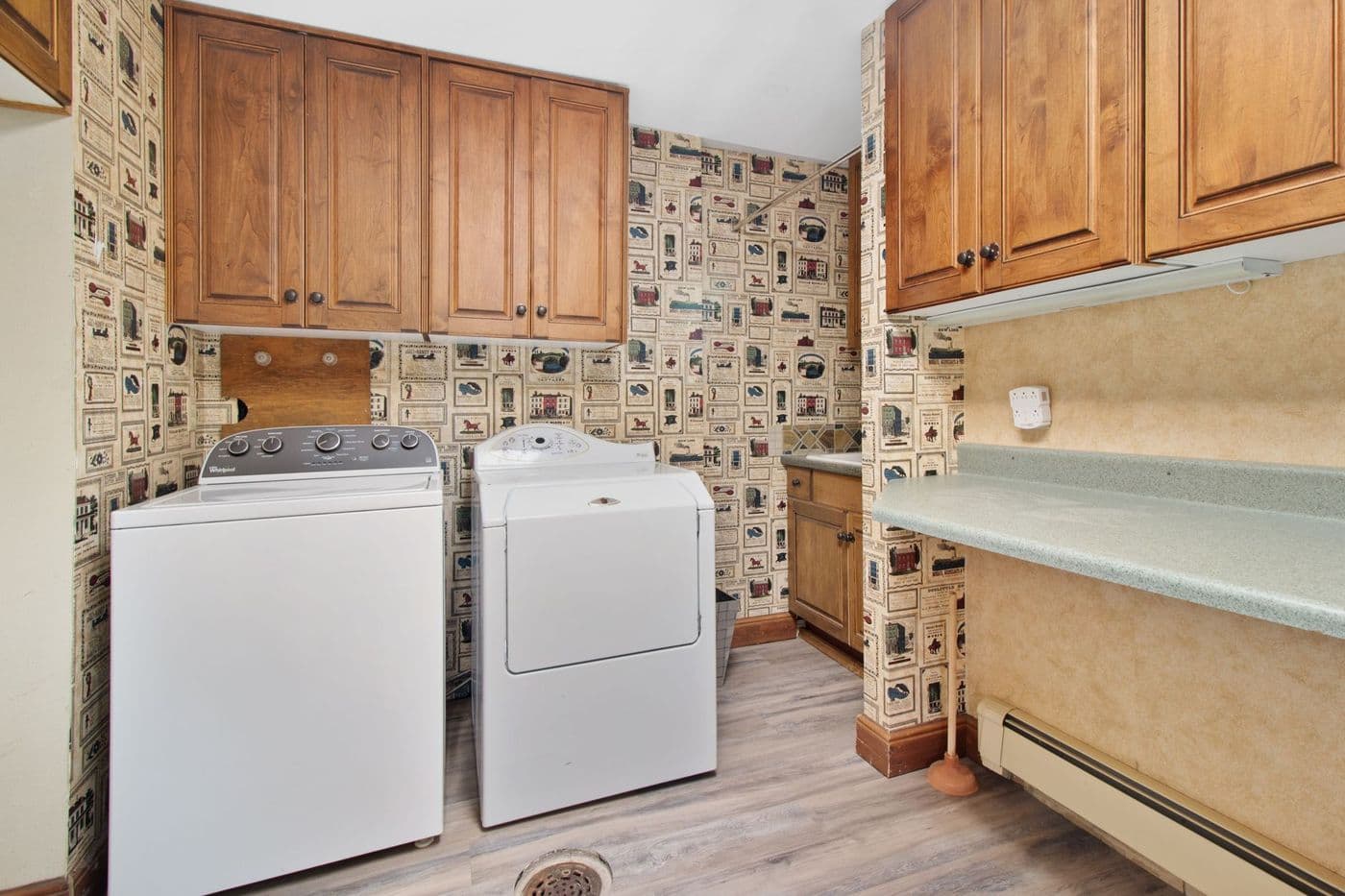
Many machines have a tub clean or self-clean cycle. If yours does not, choose the hottest, longest cycle with an extra rinse, and run it with the drum empty.
Use one cleaning agent per cycle: a washing machine cleaner tablet or powder following the package directions, or chlorine bleach in the amount your manual recommends. Check your manual first, since some manufacturers advise against certain products.
Some people prefer white vinegar for a cleaning run. If you use vinegar, run it in a separate cycle and never in the same cycle as bleach. Also note that some manufacturers caution that frequent vinegar use may affect rubber seals.
Step 4: Clean the drain pump filter
Front-loaders have a small filter, usually behind a panel at the bottom front of the machine, that catches coins, buttons and lint. A clogged filter can cause smells and slow draining.
Check your manual for the exact steps. Typically you place a shallow tray and towels below, open the small drain hose to let water out, then unscrew the filter. Rinse it under the tap, remove debris, screw it back in firmly and close the panel. Run a short rinse to check for leaks.
Step 5: Wipe the drum and exterior
Once the cycle is finished, wipe the inside of the drum and the glass of the door with a dry cloth. Clean the exterior and control panel with a damp cloth, spraying any cleaner onto the cloth rather than onto the controls.
Habits that prevent washer smells
Most washer odors come back because of moisture and residue.
- Leave the door and detergent drawer slightly open between loads so the inside can dry.
- Take wet laundry out promptly instead of leaving it in the drum.
- Use high-efficiency (HE) detergent and measure it; too much soap leaves residue.
- Go easy on fabric softener, which can build up in the drawer and drum.
- Wipe the door gasket dry after the last load of the day.
- Run a cleaning cycle about once a month.
Frequently asked questions
Why does my front-load washer smell like mildew?
Moisture trapped in the door seal, combined with detergent and fabric softener residue, creates the perfect conditions for mildew. Cleaning the gasket and leaving the door ajar usually fixes it.
Can I use vinegar and bleach to clean my washing machine?
Not together. Bleach mixed with vinegar releases chlorine gas. If you want to use both, run them in separate cycles with a rinse cycle in between, and check your manual first.
How often should I clean my washing machine?
Run a cleaning cycle about once a month and wipe the gasket weekly. Clean the drain pump filter every few months, or as your manual recommends.
Why are there black spots on my washer door seal?
These are usually mildew growing in the folds of the gasket. Clean them with a mold cleaner or diluted bleach, then keep the seal dry. Stains that remain deep in the rubber may not fully disappear.
Advertisement
General information only. Check product labels and manufacturer instructions before you start.
Keep reading

How Often to Wash Sheets: A Schedule for the Whole Bed
How often to wash sheets, pillowcases, duvet covers, blankets, pillows and mattress protectors, when to wash more often, and the best settings by fabric.
Remove Yellow Sweat Stains Without Chlorine Bleach
Lift yellow underarm stains from white shirts with baking soda, oxygen bleach or enzyme detergent, and learn why chlorine bleach can make them look worse.

Remove Blood Stains From Sheets: Fresh and Dried
Get fresh or dried blood out of bed sheets with cold water, enzyme detergent or hydrogen peroxide, and avoid the one common mistake that sets the stain.