How to Wash Pillows: Down, Polyester and Memory Foam
Wash and dry pillows by filling type: machine-wash down and polyester, hand-clean memory foam, lift yellow stains and dry them fully so they never clump.
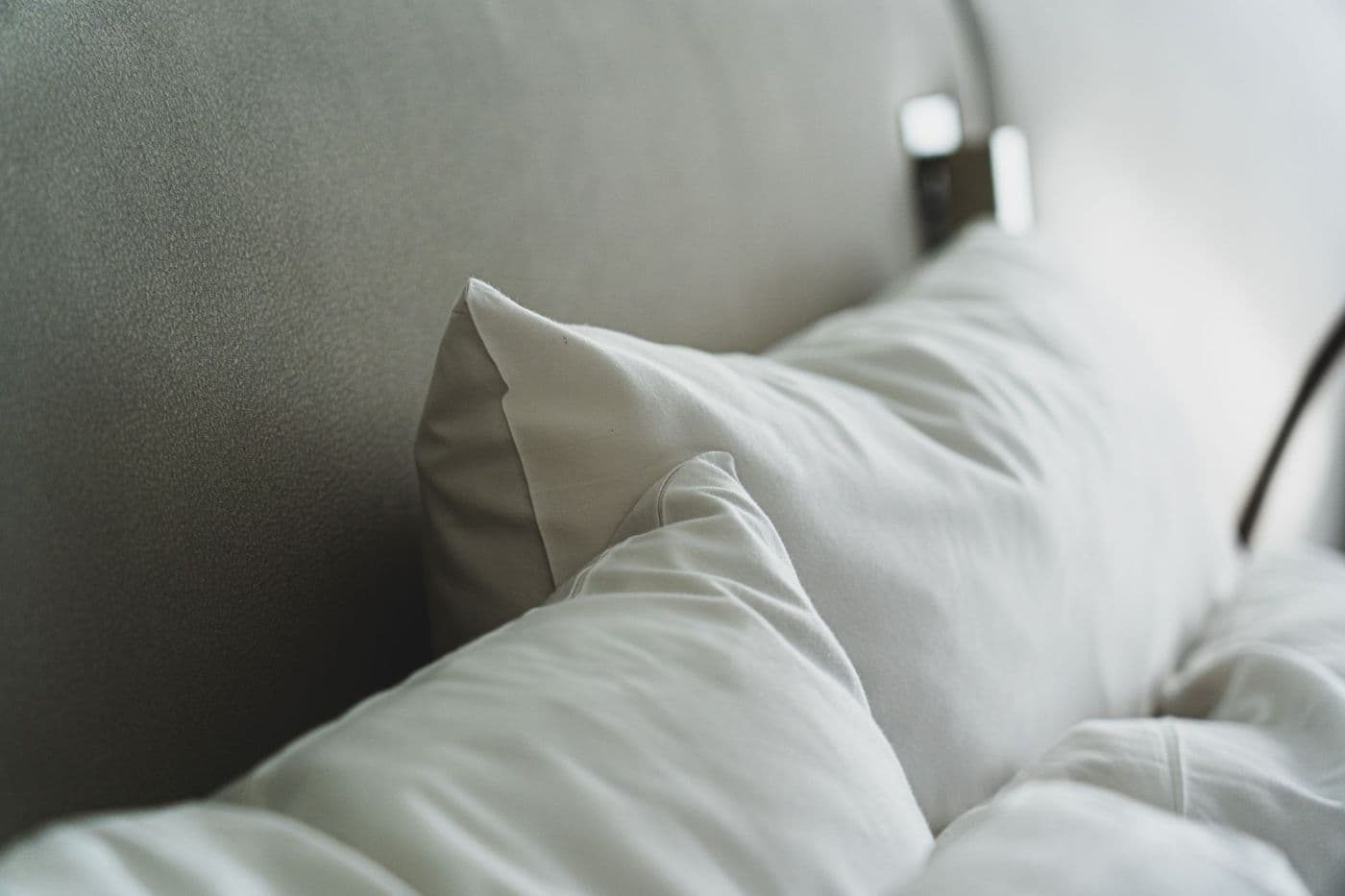
Check the care label first. Most down, feather and polyester pillows can be machine-washed two at a time on a gentle cycle in warm water with a small amount of mild detergent, followed by an extra rinse and spin. Tumble-dry on low heat with two clean tennis balls or dryer balls until completely dry. Memory foam and latex pillows should not go in the washer; spot-clean and air them instead.
Pillowcases get washed every week or two, but the pillow inside rarely does. Over time it absorbs sweat, skin oils and dust, which is why many pillows turn yellow. Washing them a few times a year keeps them fresher and helps you see when a pillow is ready to be replaced.
The right method depends entirely on the filling. Down and polyester usually go in the machine; foam does not. The care label is the final word, so read it before you start.
Read the care label and check the pillow
The label tells you whether the pillow is machine-washable, the maximum temperature and whether it can be tumble-dried. If the label is missing, identify the filling: down and feather pillows feel light and squashy, polyester fiberfill feels springy, and memory foam is solid and slow to spring back.
Check the seams too. Repair small holes before washing, or the filling may escape in the machine.
Washing down, feather and polyester pillows
Washing two pillows at a time balances the drum, which matters a lot for front-loaders and top-loaders alike.
- Remove pillowcases and any protectors and wash them separately.
- Place two pillows in the machine. In a top-loader with a central agitator, stand them upright on either side so they do not wrap around it.
- Use a small amount of mild liquid detergent, roughly a third to half of a normal dose. Too much soap is hard to rinse out of the filling.
- Choose a gentle or delicate cycle with warm water, unless the label says otherwise.
- Add an extra rinse and an extra spin to remove detergent and as much water as possible.
Tip: Avoid fabric softener on down pillows. It can coat the feathers and reduce their loft.
Drying pillows properly

Drying is where most pillow-washing goes wrong. Any dampness left in the filling can lead to clumping, mustiness or mildew.
Tumble-dry on low heat with two or three clean tennis balls or wool dryer balls, which break up clumps as the pillows turn. Down pillows can take several cycles. Every 30 minutes, take the pillows out, fluff them and feel for damp clumps in the middle.
Keep going until the pillow is dry right through, not just on the outside. Finishing with a few hours in a sunny, airy spot is a good way to make sure.
Cleaning memory foam and latex pillows
Foam pillows should not be machine-washed or tumble-dried. The agitation can tear the foam, and it holds water like a sponge, which makes it very hard to dry.
Instead, remove the cover and wash it according to its label. Vacuum the foam with an upholstery attachment, then spot-clean marks with a cloth dampened in water and a drop of mild detergent, dabbing rather than rubbing. Blot with a dry towel and let the pillow air-dry fully, away from direct heat.
To freshen a foam pillow, sprinkle it lightly with baking soda, leave it for a few hours and vacuum it off.
Dealing with yellow pillow stains
Yellowing is usually caused by sweat and body oils soaking into the fabric and filling over time. For washable pillows, adding oxygen bleach to the wash, following the package directions, can help lighten it. Check that the label allows bleach first.
Avoid chlorine bleach on pillows. It can weaken the fabric and does not work well on the proteins in sweat stains. Stains that remain after washing are mainly cosmetic, and a protector will keep them hidden and stop them getting worse.
How often to wash pillows and when to replace them
Washing machine-washable pillows two to four times a year is a common recommendation, with pillowcases washed weekly or every other week. A zippered pillow protector under the case reduces how often the pillow itself needs washing.
A simple test for polyester and down pillows: fold the pillow in half. If it stays folded instead of springing back, or it has lumps that will not fluff out, it has likely lost its support and it is time for a new one.
Frequently asked questions
Can I wash pillows in a top-loading washer?
Yes, if the care label allows machine washing. Stand two pillows upright on either side of the agitator to keep the load balanced and prevent tearing.
How do I keep pillows from clumping in the dryer?
Dry on low heat with tennis balls or dryer balls, and take the pillows out every 30 minutes to fluff them by hand until they are completely dry.
Can memory foam pillows go in the washing machine?
Generally no. Remove and wash the cover, then vacuum, spot-clean and air-dry the foam itself.
How long does a pillow take to dry?
Polyester pillows often dry in one or two low-heat cycles, while down pillows can take several. Always check the center of the pillow for dampness before using it.
Advertisement
General information only. Check product labels and manufacturer instructions before you start.
Keep reading
How Often to Wash Sheets: A Schedule for the Whole Bed
How often to wash sheets, pillowcases, duvet covers, blankets, pillows and mattress protectors, when to wash more often, and the best settings by fabric.
Remove Yellow Sweat Stains Without Chlorine Bleach
Lift yellow underarm stains from white shirts with baking soda, oxygen bleach or enzyme detergent, and learn why chlorine bleach can make them look worse.
Clean a Front-Load Washer and Stop the Smell: 5 Steps
Fix a smelly front-load washing machine: clean the door gasket, detergent drawer and drain pump filter, run a hot cycle and use habits that prevent mildew.