How to Clean an Oven With Baking Soda and Vinegar (No Harsh Fumes)
A step-by-step method to clean a greasy oven with baking soda, water and vinegar: overnight paste, racks, glass door and what to avoid.
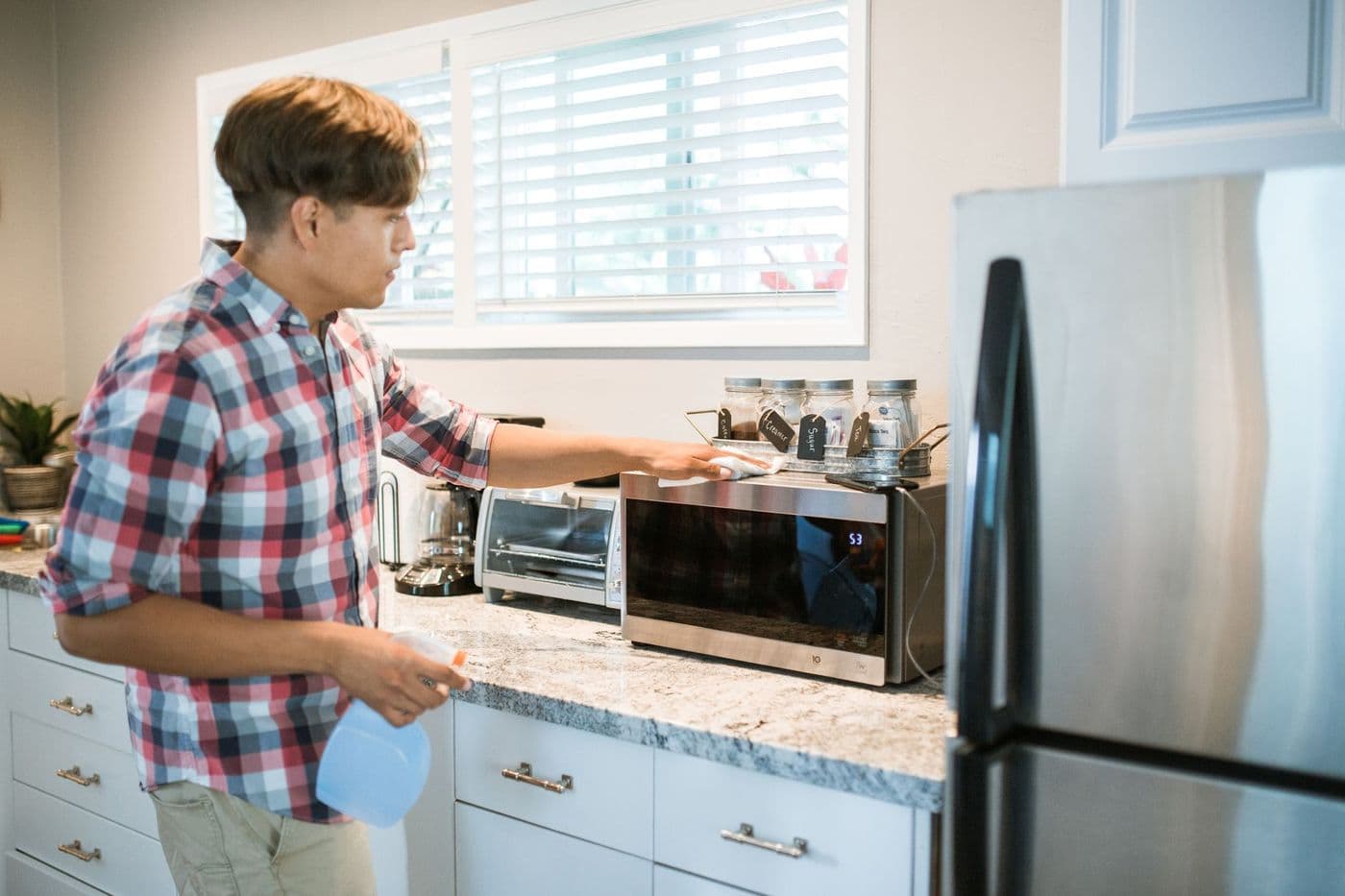
Mix about ½ cup of baking soda with a few tablespoons of water into a spreadable paste, coat the cold oven interior (avoiding the heating elements and gas outlet), leave it for 12 hours or overnight, then wipe it out with a damp cloth. Spray any white residue with diluted vinegar so it fizzes loose, wipe again, and finish with clean water.
Commercial oven cleaners work fast, but they are strongly alkaline, smell harsh and need careful handling. Baking soda (sodium bicarbonate) is a much milder alkali: given enough time, it softens baked-on grease so it wipes away instead of needing to be scraped.
The trade-off is patience. This method takes about 20 minutes of actual work spread over two sessions, with the paste doing the hard part overnight.
What you need
Everything here is cheap and probably already in your kitchen.
- ½ cup (about 120 g) baking soda, plus extra for the racks
- Water, added a tablespoon at a time
- White vinegar in a spray bottle (half vinegar, half water is fine)
- Rubber gloves, a plastic or silicone scraper and a few cloths or a sponge
- A bathtub or large sink for soaking the racks
Step 1: Empty the oven and make the paste
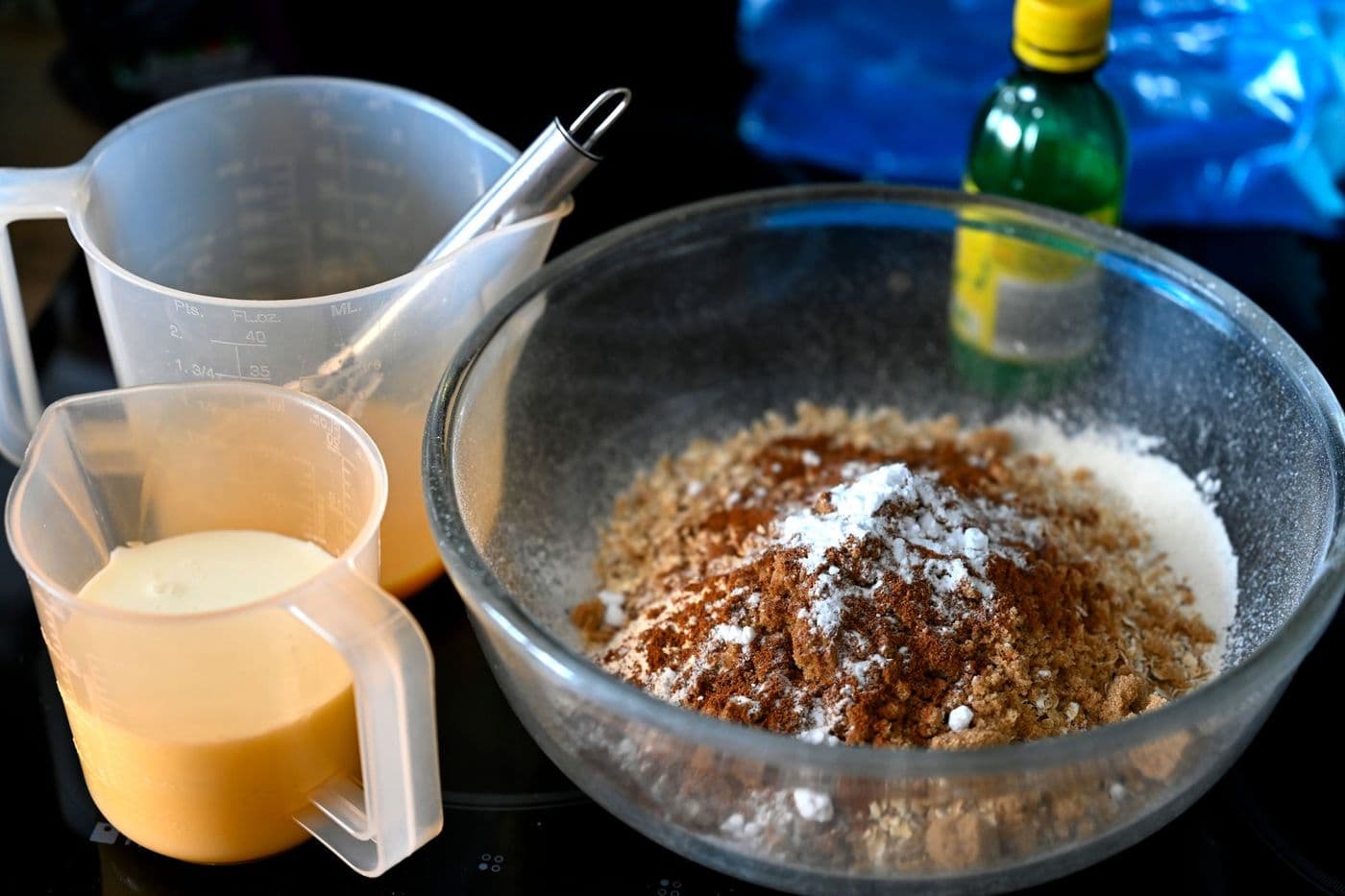
Make sure the oven is completely off and cold. Take out the racks, the thermometer and any pizza stone, and brush loose crumbs out of the bottom.
Stir water into the baking soda a little at a time until it forms a spreadable paste, roughly the texture of toothpaste. Too runny and it slides off the walls; too dry and it will not stick.
Tip: If your oven has a self-cleaning (pyrolytic) or catalytic liner, check the manual before applying anything: catalytic panels are designed to absorb grease and can be damaged by scrubbing.
Step 2: Coat the inside and leave it overnight
With gloves on, spread the paste over the walls, floor and inside of the door. Use more on dark, greasy patches. The paste will turn brown in places as it starts to work on the grease — that is normal.
Keep the paste off the heating elements of an electric oven and away from the gas outlet in a gas oven. Close the door and leave it for at least 12 hours.
Step 3: Soak the racks
While the oven sits, deal with the racks. Lay an old towel in the bath to protect the enamel, put the racks on top, sprinkle them with baking soda and pour vinegar over them. Once the fizzing stops, cover them with hot water and leave them to soak overnight too.
In the morning, scrub with a non-scratch scourer or an old toothbrush, rinse and dry.
Step 4: Wipe out, then spray with vinegar
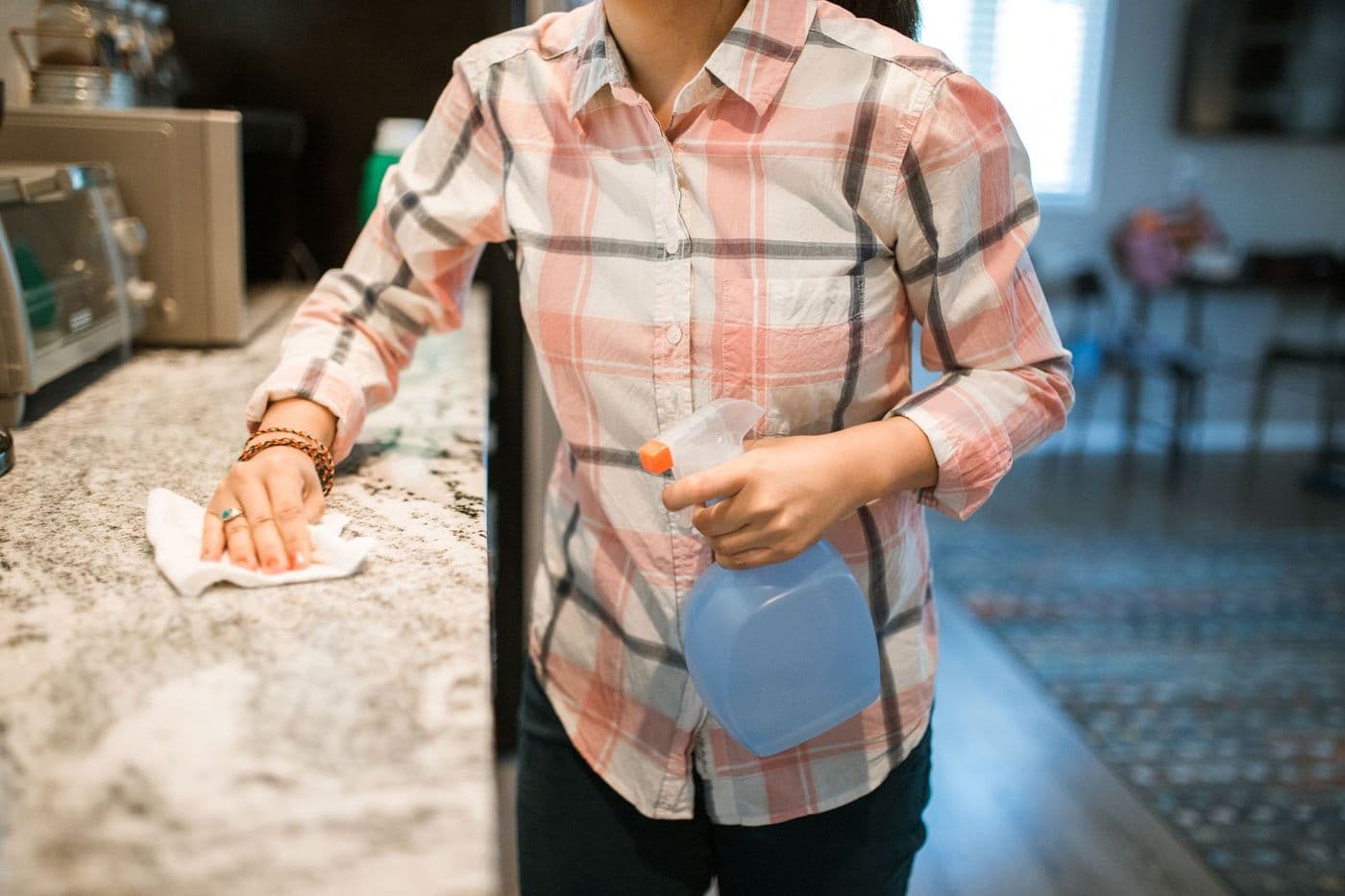
Wipe out as much of the dried paste as you can with a damp cloth, using the scraper for stubborn spots. Rinse the cloth often.
There is usually a white film left behind. Lightly spray it with the vinegar solution: the acid reacts with the leftover baking soda and foams, which lifts it off the surface. Wipe again until the cloth comes away clean.
Finish with a cloth dipped in plain water, then run the oven empty at a low temperature for 10–15 minutes to dry it fully.
Cleaning the oven door glass
The paste works on the inside of the glass as well. For grease that has seeped between the panes, many oven doors can be lifted off and the inner glass removed — but only do this if your manual explains how, because the hinges can be spring-loaded.
For light marks, a paste of baking soda and a little water rubbed on with a soft cloth, left for 15–20 minutes and wiped off, is usually enough.
Mistakes to avoid
A few habits make oven cleaning slower or riskier than it needs to be.
- Never mix vinegar with bleach — together they release chlorine gas. Keep the oven method to baking soda, vinegar and water.
- Do not use steel wool or metal scrapers on enamel or glass; they scratch, and scratches hold grease.
- Do not spray water or cleaner onto the fan, the oven light or the control panel.
- Do not run a self-clean cycle with baking soda paste still inside.
Frequently asked questions
How long should baking soda sit in the oven?
At least 12 hours, ideally overnight. A short application of one or two hours softens light splashes but will not shift baked-on grease.
Can I use baking soda on a self-cleaning oven?
Pyrolytic ovens clean themselves by burning residue to ash, so you normally only need to wipe out the ash. Check your manual before using paste on the enamel, and never use it on catalytic liners.
Why is there white residue after cleaning?
It is leftover baking soda. A light spray of diluted vinegar dissolves it so it wipes away; finish with plain water.
How often should I clean my oven?
A deep clean every three to six months is enough for most homes, with quick wipes of fresh spills once the oven has cooled so they never bake on.
Advertisement
General information only. Check product labels and manufacturer instructions before you start.
Keep reading
How to Clean a Mattress: Stains, Odours and a Twice-Yearly Refresh
Vacuum, deodorise and spot-clean a mattress safely: sweat and urine stains, smells, drying it properly and how a protector saves the work.
A Realistic Weekly Cleaning Schedule (15–30 Minutes a Day)
A simple day-by-day cleaning schedule that spreads the work across the week, plus daily habits, a monthly list and how to adapt it to your home.
How to Remove Hard Water Stains From Shower Glass
Why shower glass goes cloudy, how to dissolve limescale and soap scum with vinegar or citric acid, and a 30-second habit to keep it clear.