How to Clean a Mattress: Stains, Odours and a Twice-Yearly Refresh
Vacuum, deodorise and spot-clean a mattress safely: sweat and urine stains, smells, drying it properly and how a protector saves the work.
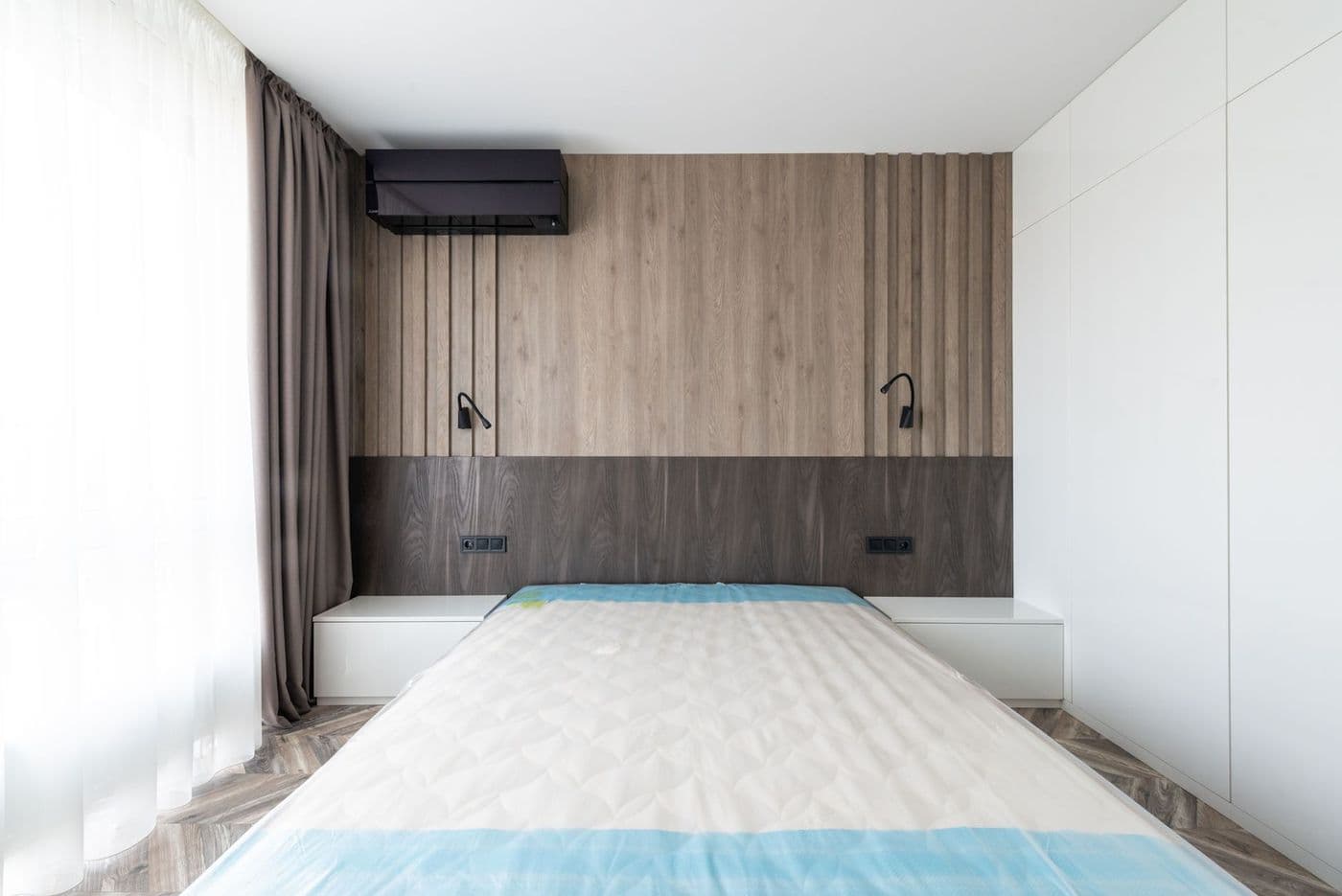
Strip the bed, vacuum the whole mattress with an upholstery tool, spot-clean stains with a cloth dampened in mild detergent solution (blot, never soak), sprinkle baking soda over the surface, leave it for several hours, vacuum it off and let the mattress dry completely before making the bed. Check the care label first: memory foam must never be saturated.
A mattress collects dust, skin flakes and sweat every night, and unlike sheets it cannot go in the washing machine. A thorough clean two or three times a year — plus prompt attention to spills — keeps it fresher and helps it last.
The golden rule is to use as little liquid as possible. Moisture that soaks into the filling is hard to dry and can lead to mould and odours.
Before you start: read the label
Look for the manufacturer's care tag or instructions. Some brands specify what may be used on the cover, and using the wrong method can affect the warranty. Memory foam and latex mattresses are especially sensitive to moisture and heat.
Pick a dry day when you can leave the bed unmade for several hours, and open a window.
Step 1: Strip and wash the bedding
Remove all sheets, the duvet cover and pillowcases and wash them according to their labels, using the hottest temperature the fabric allows. If you use a mattress protector, wash that too.
Step 2: Vacuum thoroughly
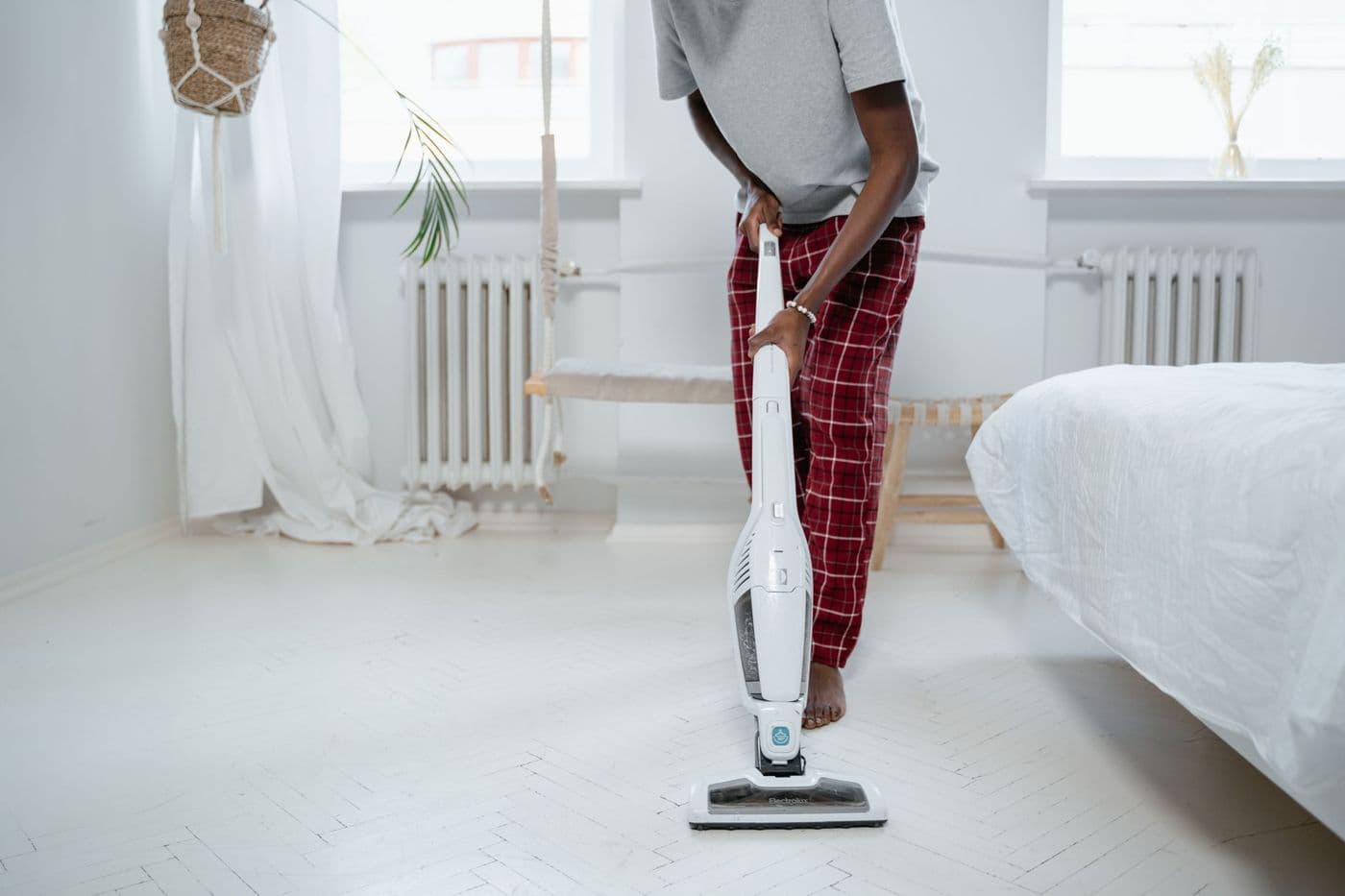
Use the upholstery attachment and go slowly over the top, sides and seams, where dust collects. A clean brush head prevents you transferring dirt from the floor.
Step 3: Spot-clean stains
Work from the outside of the stain inward so it does not spread, and blot rather than rub. For most fresh stains, mix a few drops of mild washing-up liquid into cool water, dampen a cloth (wring it well), and blot. Then blot with a cloth dampened in plain water, and press with a dry towel to lift moisture out.
Use cool water for sweat and blood: hot water can set protein stains. For urine, blot as much as possible immediately, then use an enzyme cleaner made for fabrics and follow its directions — enzymes break down the compounds that cause lingering smells.
Tip: Test any cleaner on a hidden spot at the side of the mattress first, and avoid bleach, which can damage fibres and leave marks.
Step 4: Deodorise with baking soda

Sift a thin, even layer of baking soda over the whole surface. It absorbs moisture and odours. Leave it for at least several hours — longer is better, and sunlight through a window helps the mattress dry.
Vacuum it all off slowly and thoroughly, including the seams.
Step 5: Dry completely, then protect it
Only remake the bed when every damp patch is fully dry; trapped moisture is what causes mildew. Then fit a washable, breathable mattress protector. It is far easier to wash a protector every couple of weeks than to clean a mattress.
Rotating the mattress head-to-foot every few months (and flipping it only if the manufacturer says it is double-sided) helps it wear evenly.
Frequently asked questions
How often should you clean a mattress?
Vacuum and deodorise it every three to six months, and spot-clean spills straight away. A protector reduces how often a deep clean is needed.
Can I steam clean a memory foam mattress?
Generally no. Heat and moisture can damage memory foam. Follow the manufacturer's instructions and keep liquids to a minimum.
How do I get a smell out of a mattress?
Vacuum, apply baking soda and leave it for several hours or overnight before vacuuming. For urine, use an enzyme cleaner first, then let the mattress dry completely.
How long does a mattress take to dry after cleaning?
Spot-cleaned areas usually dry in a few hours with good airflow. Do not make the bed until there is no dampness at all.
Advertisement
General information only. Check product labels and manufacturer instructions before you start.
Keep reading
A Realistic Weekly Cleaning Schedule (15–30 Minutes a Day)
A simple day-by-day cleaning schedule that spreads the work across the week, plus daily habits, a monthly list and how to adapt it to your home.
How to Remove Hard Water Stains From Shower Glass
Why shower glass goes cloudy, how to dissolve limescale and soap scum with vinegar or citric acid, and a 30-second habit to keep it clear.
How to Clean an Oven With Baking Soda and Vinegar (No Harsh Fumes)
A step-by-step method to clean a greasy oven with baking soda, water and vinegar: overnight paste, racks, glass door and what to avoid.