Cleaning Products Never to Mix: 6 Dangerous Combinations
Bleach plus ammonia, vinegar or alcohol, peroxide with vinegar, mixed drain cleaners: the dangerous combinations to avoid and what to do if exposed.
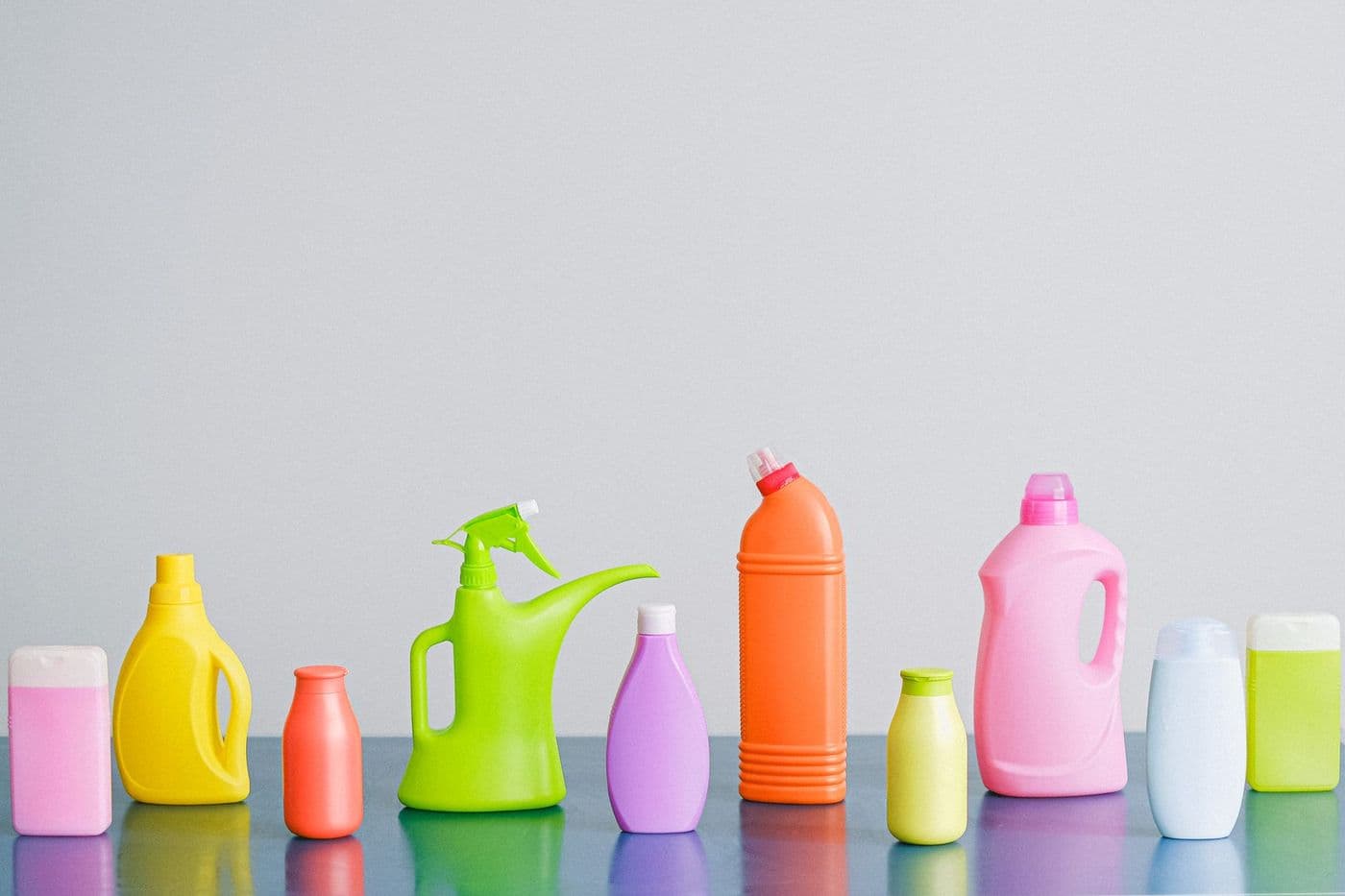
Never mix chlorine bleach with ammonia, vinegar or other acids, rubbing alcohol, or hydrogen peroxide. Do not combine hydrogen peroxide and vinegar in one container, do not mix different drain cleaners, and do not layer different brands of the same product. Use one cleaner at a time, rinse the surface with water before switching, and keep everything in its original labeled container.
Many household cleaners are perfectly safe on their own and dangerous in combination. The risk is highest in small spaces like bathrooms, where people often reach for a second product when the first does not seem to be working fast enough.
The rules below cover the combinations most often warned about by poison control centers and product labels. The simplest habit that prevents almost all of them: one product at a time, with a rinse in between.
Bleach and ammonia
Mixing chlorine bleach with ammonia produces chloramine vapors, which can irritate the eyes, nose, throat and lungs and cause coughing and shortness of breath.
Ammonia is found in some glass and window cleaners, some multi-surface sprays and, in small amounts, in urine. That last point matters when cleaning toilets, litter areas or diaper pails: rinse with plain water before using bleach, or choose a non-bleach cleaner.
Bleach and vinegar (or any acid)
Chlorine bleach mixed with acids releases chlorine gas. Vinegar is the most common acid in homes, but others include lemon juice, citric acid, many toilet bowl cleaners, rust removers and some limescale removers.
This is why it is unsafe to follow a vinegar descaling job with bleach on the same surface without rinsing thoroughly first, or to pour bleach into a toilet that still contains an acidic bowl cleaner.
Tip: If a product label says 'do not mix with other chemicals', take it literally, even if the other product seems mild.
Bleach and rubbing alcohol
Combining bleach with rubbing alcohol (isopropyl alcohol) or other alcohol-based products can produce harmful compounds, including chloroform. Keep disinfecting wipes, hand sanitizer and alcohol sprays separate from bleach solutions.
More generally, bleach should only ever be diluted with plain water, following the label.
Hydrogen peroxide and vinegar
Some cleaning tips suggest using hydrogen peroxide and vinegar one after the other, but mixing them in the same bottle creates peracetic acid, which is corrosive and can irritate skin, eyes and lungs.
If you want to use both, use them separately and rinse or wipe the surface in between. Never store them premixed.
Drain cleaners with anything else
Drain cleaners are strong chemicals, either highly alkaline or highly acidic. Mixing two different drain cleaners, or adding bleach, vinegar or anything else to a drain that already contains one, can cause violent reactions, heat and splashing.
If one drain cleaner has not cleared a blockage, do not pour in another. Flush with plenty of water if the label allows, or call a plumber and tell them what is already in the pipe. Never plunge a drain that contains chemical cleaner.
Different brands of the same product
Two oven cleaners, two mold removers or two toilet cleaners from different brands may contain different active ingredients that react with each other. Finish with one product, rinse the surface, and only then try another.
Mixing cleaners to make them stronger does not work. The products are formulated to work as sold.
Safe habits for every cleaning session
These habits prevent accidents even when you are not sure what a product contains.
- Read the label before using any new product, and follow the dilution and ventilation directions.
- Use one cleaner at a time and rinse surfaces with water before switching.
- Open a window or run the exhaust fan, especially in bathrooms.
- Keep products in their original, labeled containers; never decant into unmarked bottles.
- Store cleaners out of reach of children and pets, ideally in a locked cabinet.
- Wear gloves, and eye protection for strong products like bleach or oven cleaner.
What to do if you mixed something by accident
Leave the area immediately and get into fresh air. Open windows and doors from outside if you can do it safely, and keep others away. Do not try to clean up the mixture while fumes are present.
If anyone has symptoms such as coughing, burning eyes, difficulty breathing or chest pain, contact emergency services. In the US, Poison Control can be reached at 1-800-222-1222 for advice. Have the product containers ready to describe what was mixed.
Frequently asked questions
Is it safe to mix baking soda and vinegar for cleaning?
It is not dangerous, but the two largely neutralize each other, producing water, carbon dioxide and a salt. The fizz can help loosen debris, but each works better on its own for most cleaning jobs.
Can I mix bleach and dish soap?
It is best not to. Some dish soaps contain ammonia or other ingredients that can react with bleach. Dilute bleach only with water.
Is it safe to use bleach after vinegar?
Only after rinsing the surface thoroughly with water and letting it dry. Never use them together or let them meet in a sink, toilet or bucket.
What should I do if I smell strong fumes while cleaning?
Stop, leave the room, and get to fresh air. If symptoms such as coughing or difficulty breathing occur, call emergency services or Poison Control.
Advertisement
General information only. Check product labels and manufacturer instructions before you start.
Keep reading
How to Clean House Fast: 45-Minute Plan Before Guests
Speed clean your home before guests arrive with a timed 45-minute plan: clutter, guest bathroom, kitchen, living room and floors, most visible first.
DIY All-Purpose Cleaner: 4 Safe Recipes and Ratios
Make 4 homemade cleaners with vinegar, dish soap, baking soda and alcohol: exact ratios, which surfaces each suits, and what never to add to the bottle.
Deep Cleaning Checklist: Room-by-Room, Top to Bottom
A room-by-room deep cleaning checklist for kitchen, bathrooms, bedrooms and living areas, in top-to-bottom order so you never clean anything twice.