DIY All-Purpose Cleaner: 4 Safe Recipes and Ratios
Make 4 homemade cleaners with vinegar, dish soap, baking soda and alcohol: exact ratios, which surfaces each suits, and what never to add to the bottle.
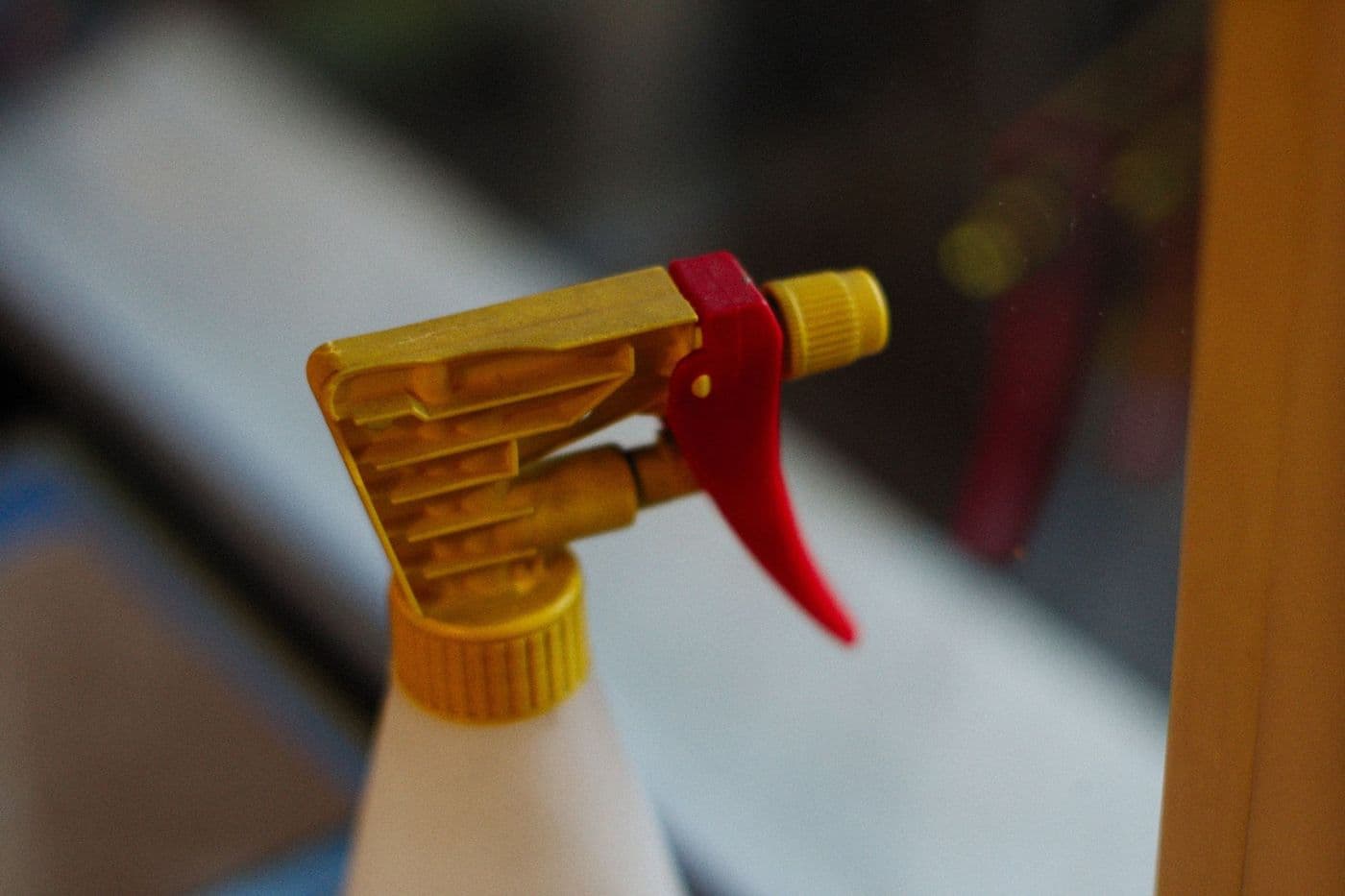
For a simple all-purpose spray, mix 1 cup (240 ml) of white vinegar with 1 cup of water in a labeled spray bottle, adding a few drops of dish soap if you need grease-cutting power. For surfaces vinegar can damage, such as natural stone and wood, use 2 cups of warm water with ½ teaspoon of dish soap instead. Use baking soda paste as a gentle scrub. Never add bleach to homemade cleaners.
Homemade cleaners made from vinegar, dish soap, baking soda and water handle most everyday cleaning, cost very little and let you avoid strong fragrances. They are not a replacement for disinfectants when you genuinely need to kill germs, but for wiping counters, glass and sinks they work well.
The key is knowing what each ingredient does and which surfaces it should not touch. Vinegar is an acid, baking soda is a mild alkali and abrasive, and dish soap lifts grease.
The basic ingredients and what they do
You only need a few staples.
- White vinegar (around 5% acidity): cuts mineral deposits, soap scum and light grease.
- Dish soap: breaks up grease and food residue and is safe on most surfaces.
- Baking soda: a mild abrasive and deodorizer, good for scrubbing sinks and stovetops.
- Rubbing alcohol (70% isopropyl): evaporates quickly for streak-free glass and stainless steel.
- Distilled or filtered water: reduces mineral spots in hard-water areas.
- Clean spray bottles and a permanent marker for labeling.
Recipe 1: Vinegar all-purpose spray
Mix 1 cup of white vinegar and 1 cup of water in a spray bottle. Add 2–3 drops of dish soap if you are cleaning greasy areas like the stovetop. Shake gently before each use.
Use it on laminate counters, sealed ceramic tile, sinks, glass shower doors, toilets (outside) and appliance exteriors. Spray, leave for a minute, wipe with a microfiber cloth and dry.
Do not use it on natural stone (marble, granite, travertine, limestone), unsealed or oiled wood, waxed surfaces or cast iron. The acid can etch or dull them.
Tip: If the vinegar smell bothers you, add a few strips of citrus peel to the bottle and let it infuse for a week, or simply open a window while you clean; the smell fades as it dries.
Recipe 2: Gentle soap spray for stone and wood
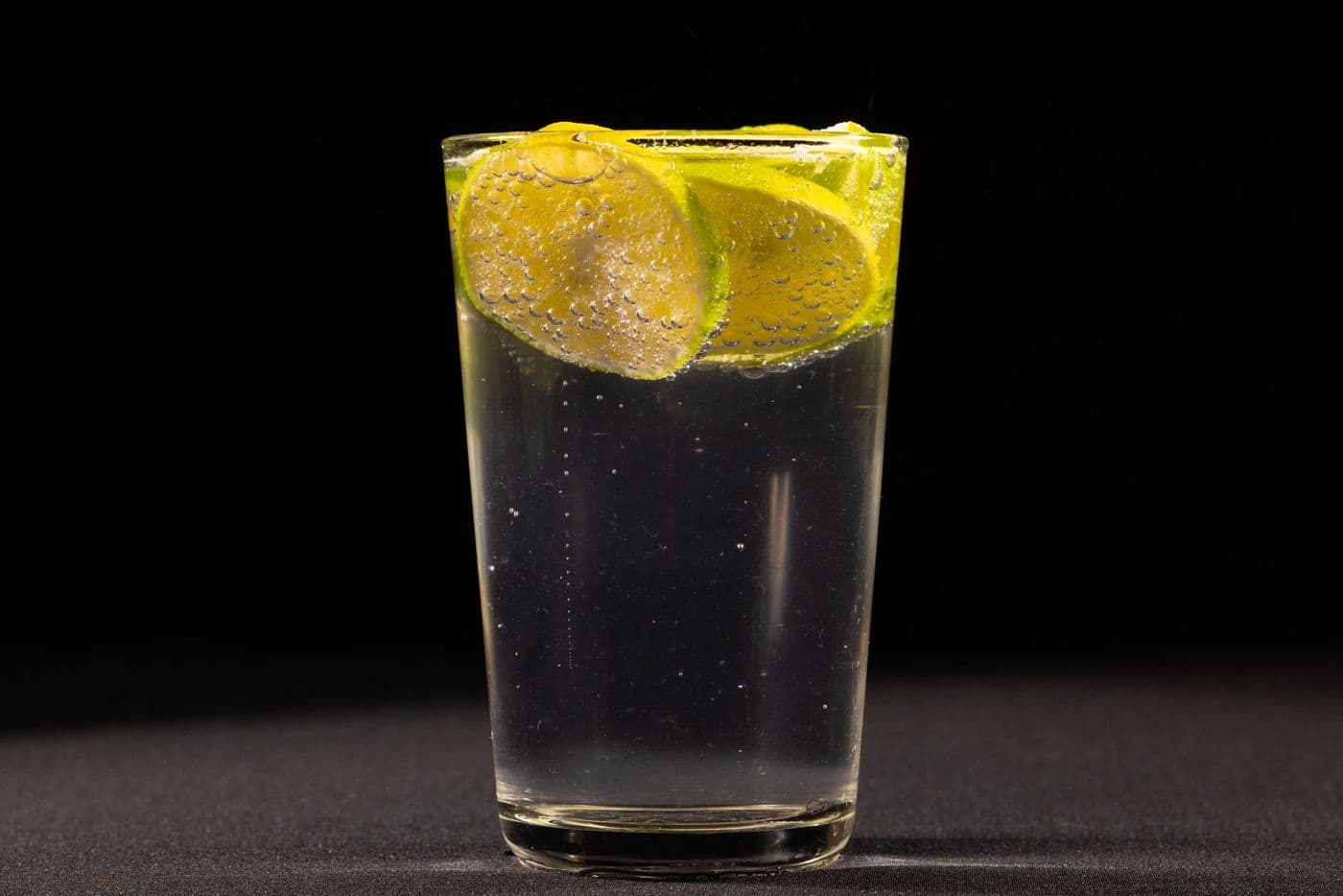
Mix 2 cups of warm water with ½ teaspoon of dish soap in a spray bottle. This is pH-neutral enough for sealed granite, quartz, marble and sealed wood. Spray, wipe with a damp cloth, then buff dry.
For wood, always wring cloths well and dry immediately; standing water damages wood finishes.
Recipe 3: Streak-free glass cleaner
Combine 1 cup of water, 1 cup of rubbing alcohol and 1 tablespoon of white vinegar in a spray bottle. The alcohol helps it evaporate quickly without streaks.
Spray onto windows, mirrors or stainless steel and wipe with a clean, dry microfiber cloth. Keep away from flames and heat, since rubbing alcohol is flammable, and do not combine with bleach.
Recipe 4: Baking soda scrub
Mix ½ cup of baking soda with enough dish soap to make a thick paste, adding a little water if needed. Apply with a sponge to sinks, tubs, stovetops and grimy oven doors, scrub gently, then rinse well.
Make this fresh each time, as it dries out. Baking soda is mildly abrasive, so test on glossy or delicate finishes first.
Safety rules for homemade cleaners
Homemade does not automatically mean harmless.
- Never add bleach to any homemade cleaner; bleach mixed with vinegar releases chlorine gas, and with ammonia releases chloramine vapors.
- Do not mix hydrogen peroxide and vinegar in one bottle; use them separately.
- Label every bottle with its contents and the date.
- Make small batches and use them within a few weeks.
- Store homemade cleaners out of reach of children and pets, just like store-bought products.
- Use a clean bottle; do not reuse containers from other chemicals.
When to use a store-bought product instead
Vinegar and soap clean surfaces, but they are not registered disinfectants. When someone in the home is ill, after handling raw meat or for surfaces that need sanitizing, use a disinfectant registered with the EPA and follow the contact time on its label.
For heavy jobs like baked-on oven grease, thick mold or clogged drains, a dedicated product may also be more effective. Always use it on its own and follow the label.
Frequently asked questions
Is homemade vinegar cleaner a disinfectant?
Vinegar is not a registered disinfectant. It cleans well but should not be relied on to kill germs. Use an EPA-registered disinfectant when you need to sanitize.
Can I use vinegar on granite countertops?
No. Vinegar's acid can etch and dull natural stone and degrade its sealant. Use warm water with a little dish soap or a stone-safe cleaner.
How long does homemade cleaner last?
Vinegar and soap sprays typically stay effective for a few weeks. Label with the date and make fresh batches regularly.
Can I add essential oils to homemade cleaner?
Some people add a few drops for scent. Use sparingly, keep in mind some oils can irritate skin or affect pets, and test on surfaces first.
Advertisement
General information only. Check product labels and manufacturer instructions before you start.
Keep reading
How to Clean House Fast: 45-Minute Plan Before Guests
Speed clean your home before guests arrive with a timed 45-minute plan: clutter, guest bathroom, kitchen, living room and floors, most visible first.
Deep Cleaning Checklist: Room-by-Room, Top to Bottom
A room-by-room deep cleaning checklist for kitchen, bathrooms, bedrooms and living areas, in top-to-bottom order so you never clean anything twice.
Daily Cleaning Routine: 15 Minutes a Day, Step by Step
A realistic 15-minute daily cleaning routine split into morning, after-cooking and evening tasks, plus how to make it stick and what to leave for later.